


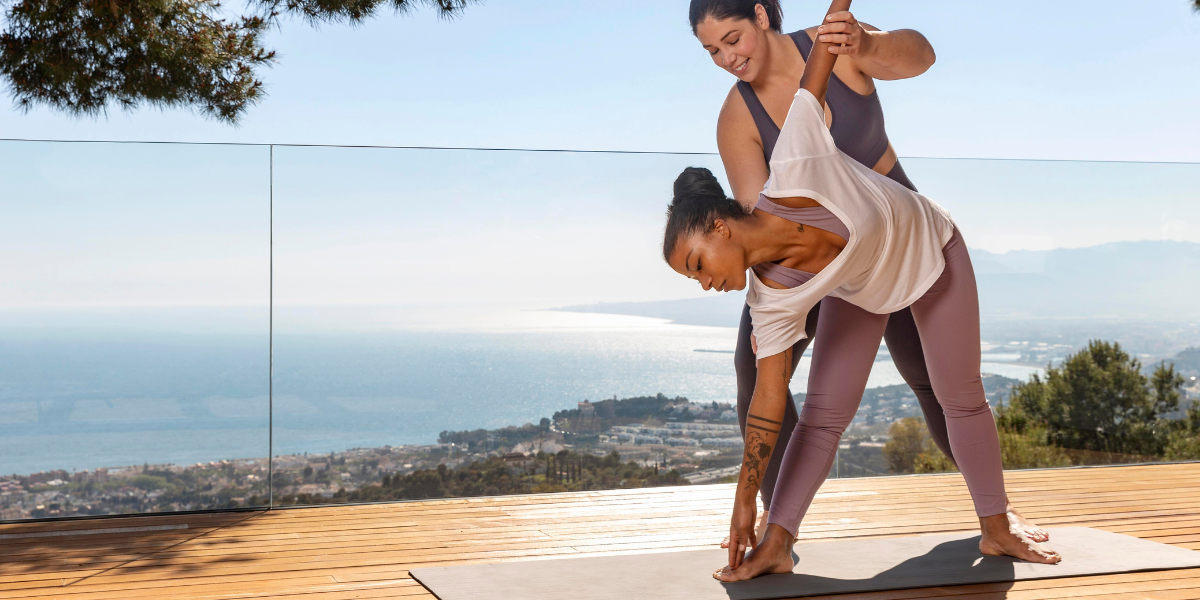
Across the United States, a noticeable shift in lifestyle patterns is emerging as more people adopt a “hybrid wellness” approach that blends physical outdoor activity, digital wellness habits, and more intentional daily routines. This evolving lifestyle trend reflects a broader cultural movement toward balance, where productivity, mental health, fitness, and technology use are being recalibrated in everyday life.
Rather than focusing on a single wellness philosophy, Americans are increasingly combining multiple approaches. Outdoor recreation, home-based fitness, mindfulness practices, and reduced screen exposure are now being integrated into flexible routines that fit modern work and social schedules. This shift is especially visible in urban and suburban communities where remote and hybrid work arrangements have become common.
Rise of Outdoor Recreation as a Daily Habit
One of the most visible changes in lifestyle behavior is the growing emphasis on outdoor activity. Parks, hiking trails, cycling routes, and waterfront spaces are experiencing increased usage as individuals seek alternatives to indoor entertainment and screen-based leisure.
Walking groups, casual hiking clubs, and community fitness gatherings have also expanded, reflecting a desire for low-cost, accessible wellness options. Instead of structured gym memberships alone, many people are choosing outdoor movement as part of their daily or weekly routine.
This trend is also influencing how cities and communities invest in public spaces. Local governments and urban planners are placing greater emphasis on walkability, green space expansion, and recreational infrastructure, recognizing the role these environments play in physical and mental well-being.
Digital Wellness and “Intentional Screen Time”
Alongside increased outdoor engagement, Americans are also rethinking their relationship with technology. Rather than fully disconnecting from digital devices, many individuals are adopting “intentional screen time” habits, choosing when and how to engage with technology more consciously.
This includes setting boundaries around social media usage, scheduling device-free periods during the day, and prioritizing offline activities such as reading, cooking, or exercising. Digital wellness tools, such as screen time trackers and focus apps, are becoming more widely used to support these habits.
The goal is not complete avoidance of technology, but rather a healthier balance that reduces mental fatigue and improves attention span. Experts in behavioral health note that this approach reflects a broader awareness of how constant connectivity can impact stress levels and overall well-being.
Growth of Hybrid Fitness Routines
Fitness culture in the United States is also evolving. Traditional gym memberships remain popular, but they are increasingly being supplemented by home workouts, virtual training programs, and outdoor exercise routines. This hybrid fitness model allows individuals to adapt their physical activity to changing schedules and preferences.
Many people now combine in-person gym sessions with online workout platforms, yoga apps, or guided strength training programs at home. Wearable fitness devices also play a role, helping users track steps, heart rate, sleep patterns, and recovery times.
This flexible approach has made fitness more accessible, particularly for individuals with busy work schedules or limited access to traditional gym facilities. It has also encouraged consistency, as people can maintain exercise routines regardless of location or time constraints.
Mindfulness and Mental Health Awareness
Mental health awareness continues to be a central pillar of lifestyle changes. Practices such as meditation, journaling, breathwork, and mindfulness exercises are increasingly being incorporated into daily routines.
Workplaces are also contributing to this shift by offering wellness programs, flexible scheduling, and mental health resources. Employees are placing greater value on work-life balance, with many prioritizing jobs that support emotional well-being alongside financial stability.
The normalization of mental health conversations has reduced stigma and encouraged more people to seek support or adopt preventive wellness practices. This cultural change is influencing everything from workplace policies to education systems and community health programs.
Lifestyle Choices and Food Culture Evolution
Diet and nutrition trends are also reflecting the broader wellness movement. Plant-based meals, whole foods, and locally sourced ingredients are becoming more common in both home cooking and restaurant offerings. While not a complete dietary shift for most Americans, there is a growing interest in reducing processed food consumption and making more mindful eating choices.
Meal planning apps, nutrition tracking tools, and subscription-based healthy meal services are helping individuals maintain balanced diets with greater convenience. This reflects a broader preference for lifestyle solutions that simplify healthy living rather than complicate it.
A Shift Toward Balanced Modern Living
Overall, the hybrid wellness lifestyle trend represents a broader cultural adjustment to modern life. Instead of extreme routines or rigid self-improvement systems, Americans are increasingly adopting flexible, personalized approaches to health and well-being.
The combination of outdoor activity, digital moderation, adaptable fitness routines, and mental health awareness suggests a long-term shift in how people define a healthy lifestyle. It is less about perfection and more about sustainability, finding routines that can be maintained alongside work, family, and social responsibilities.
As this trend continues to evolve, it is expected to influence everything from urban planning and workplace culture to technology design and consumer behavior. The growing focus on balance and adaptability signals a lasting transformation in how Americans approach everyday living.
