


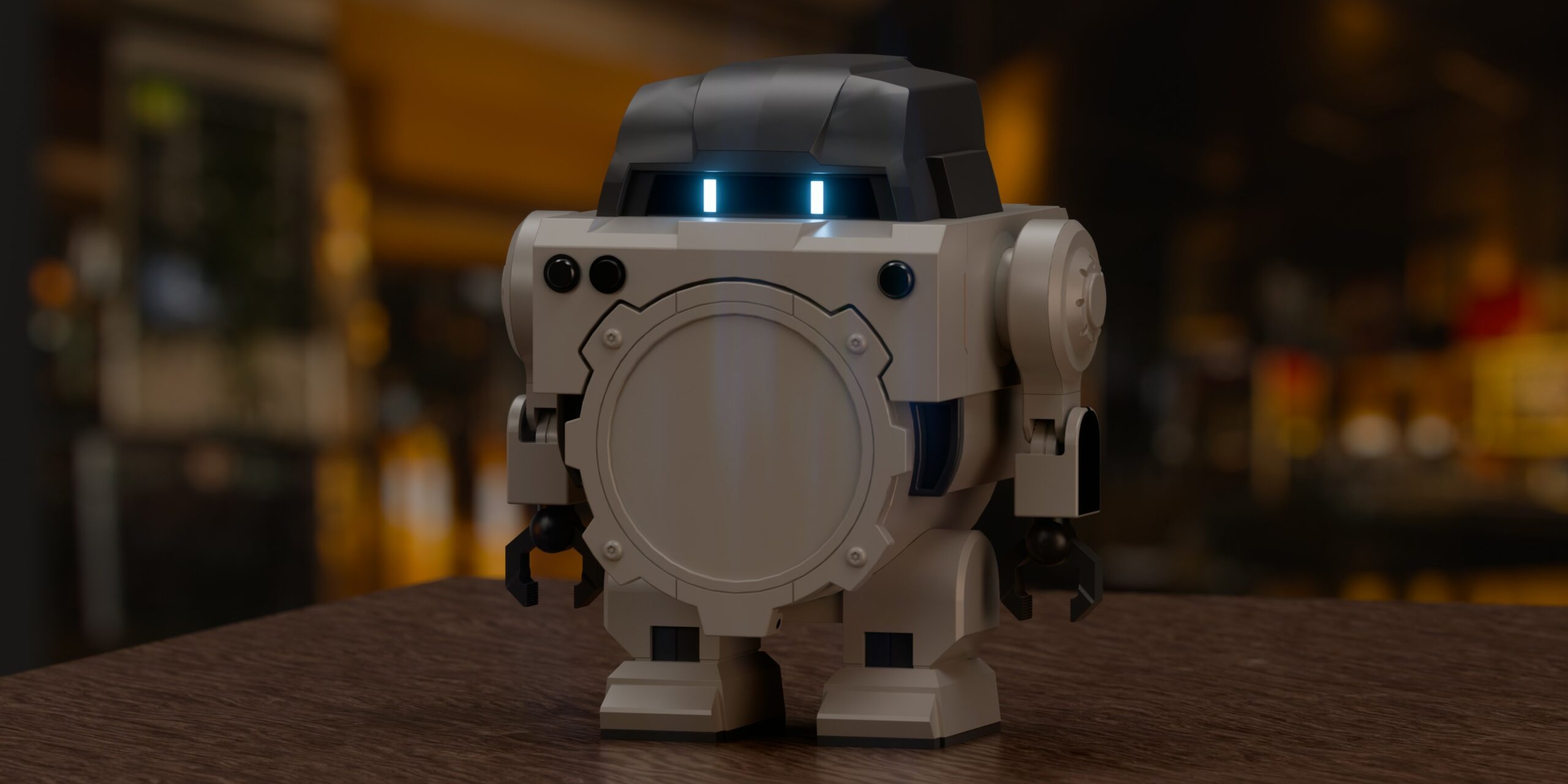
The 2026 Consumer Electronics Show (CES) officially opened in Las Vegas, bringing together thousands of exhibitors, tech innovators, and industry leaders. This event, widely considered the world’s premier technology showcase, is running through January 9 and has quickly become a snapshot of the most exciting trends and groundbreaking technologies that will define 2026 and the years to come.
As the CES 2026 exhibition floor fills with a vast array of technological marvels, it is clear that artificial intelligence (AI) has emerged as the central theme. This year, the show demonstrates the continuing evolution of AI, not just in software, but across physical products as well. AI is now integrated into a wide variety of consumer technologies, from robots and autonomous vehicles to smart home devices and advanced wearables. What makes CES 2026 particularly special is how deeply AI has become embedded into both hardware and software, making it clear that “AI everywhere” is no longer a futuristic concept but a reality that is beginning to shape the way people live, work, and interact with technology.
The presence of AI-powered products has grown exponentially in recent years, and at CES 2026, AI and automation are taking center stage. From robots that clean homes autonomously to humanoid machines that mimic human movements, artificial intelligence is at the heart of many new technologies on display. Tech giants like Nvidia, AMD, and Intel are showcasing new AI-powered chips and processors that are designed to handle tasks at the edge, making devices smarter and more capable. This includes smart home hubs, mobile devices, and even autonomous systems in the automotive sector. AI is no longer confined to the cloud; it’s now in physical products, enhancing the capabilities of everyday gadgets.
The robotics section of CES 2026 is particularly noteworthy. Robots of all sizes, shapes, and functions are being demonstrated, with some designed for specific tasks, such as autonomous vacuum cleaners, and others that are pushing the boundaries of what’s possible, like humanoid robots. A standout attraction at the show is the unveiling of the Atlas humanoid robot by Hyundai and Boston Dynamics. This robot was shown performing intricate, fluid human-like movements, marking a significant step forward in robotics. While the current iteration of these robots is mostly controlled remotely, their presence at CES signals a future where AI-powered humanoid robots could become a common part of everyday life.
In addition to humanoid robots, other autonomous devices were introduced that illustrate the versatility of AI in the robotics field. For example, the Saros Rover by Roborock is a robot that can autonomously climb stairs, a significant achievement considering that many home-cleaning robots have struggled with this task in the past. The use of AI in robotics is not just about creating machines that can mimic human actions; it’s also about creating robots that are adaptable, capable of learning, and able to perform practical tasks in homes and industries alike.
While AI and robotics dominated the headlines, CES 2026 also had a strong focus on electric vehicles (EVs) and advanced mobility solutions. Though traditionally not an auto show, CES has increasingly become an important venue for showcasing the latest in transportation technology. This year, several automakers and startups unveiled new EV prototypes, autonomous driving features, and connected transportation solutions. The show also featured advancements in electric mobility devices, such as e-bikes, scooters, and autonomous transport systems, which blur the lines between personal transport and next-generation tech. The integration of AI into these systems is opening up new possibilities for how people and goods will move in the future.
One of the most notable automotive displays at CES 2026 was the introduction of autonomous driving technologies by major car manufacturers, showing off self-driving features that use AI to improve safety, efficiency, and user experience. These vehicles are designed to not only reduce human error but also offer a glimpse into a world where AI fully takes over the task of driving. The presence of such innovations at CES signals the accelerating shift toward electric and autonomous transportation, areas that will likely see massive growth in the coming years.
Alongside the robotics and mobility innovations, CES 2026 also highlighted next-generation consumer gadgets. Television and display technology continue to be a major draw, with the unveiling of new micro-RGB, OLED, and mini-LED technologies that promise to deliver richer visuals, higher contrast ratios, and more immersive viewing experiences. These advancements are expected to revolutionize how people consume content in the home, with larger screens and enhanced picture quality providing a more cinematic experience. Furthermore, wearables and health tech are becoming increasingly sophisticated, with new smart rings, smart glasses, and wellness devices that are capable of tracking and improving a user’s health. These devices use AI to deliver personalized experiences, making them more effective at helping individuals manage their well-being.
In the realm of smart home technology, CES 2026 showcased devices that are no longer just about convenience but also about predictive intelligence. Appliances, security systems, and even furniture are now being designed to anticipate user needs and act on them autonomously. Whether it’s a refrigerator that knows when you’re running low on groceries or a lighting system that adjusts based on your mood, the future of smart homes is becoming more intuitive, connected, and personalized.
While CES 2026 has captured the imagination of the public with its flashy gadgets and futuristic robots, industry analysts have also pointed out that many of the innovations on display are not just about novelty; they are about practical applications. From AI-driven industrial automation systems to healthcare innovations powered by AI, this year’s CES is also a demonstration of how technology is starting to have a profound impact on industries beyond consumer electronics. For example, healthcare providers are integrating AI into diagnostic tools, while industrial companies are deploying robots and automation technologies to increase efficiency and safety. This reflects the growing role that AI and robotics will play in real-world problem-solving, far beyond the consumer sector.
However, despite the excitement and anticipation surrounding these innovations, some experts caution that not all AI-powered devices at CES 2026 represent radical breakthroughs. Many of the devices on display feature incremental improvements in AI, adding new capabilities to existing products rather than introducing entirely new concepts. Additionally, challenges related to power efficiency, user experience, and practical integration still remain. Nevertheless, the trajectory of innovation suggests that the year 2026 will mark a turning point for AI and robotics, with these technologies becoming more embedded in the fabric of daily life.
CES 2026 serves as a global stage where the world’s brightest minds and most ambitious companies converge to showcase what’s possible. From massive corporations to emerging startups, the event is a showcase of where the tech industry is headed and where it could take the world. With thousands of exhibitors, keynote speakers, and product demonstrations, CES continues to reinforce its reputation not just as a tech trade show but as a barometer for technological evolution. As we look ahead, it’s clear that AI, robotics, EVs, and other emerging technologies will play a significant role in shaping the world of tomorrow.
