


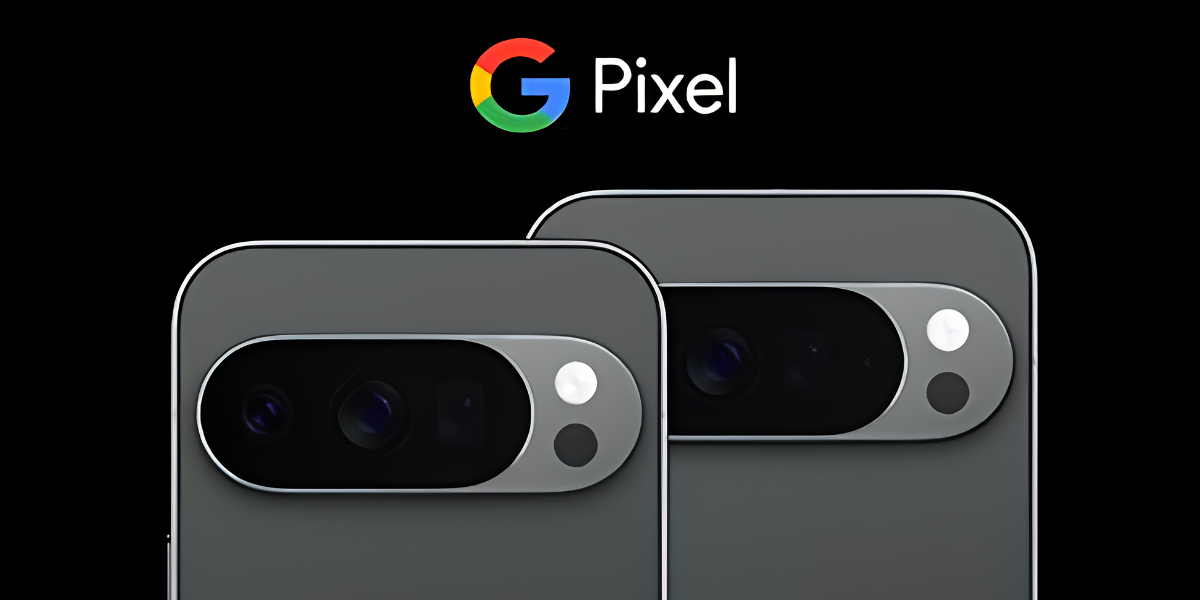
Google introduced a new generation of Pixel devices as the technology company made artificial intelligence the central feature of its latest hardware strategy.
The new lineup includes Pixel 11 smartphones, a foldable Pixel model, the Pixel Watch 5 and Pixel Tag. Across the products, Google emphasized deeper integration with its Gemini artificial intelligence system.
The launch reflects a broader change in consumer technology as companies increasingly compete over AI capabilities in addition to traditional hardware specifications.
AI Becomes Part of Everyday Devices
Google’s latest devices are designed to incorporate AI into everyday activities rather than treating artificial intelligence as a separate service.
Gemini-powered features were presented as tools capable of assisting with tasks such as transcription, planning and communication. Google also highlighted AI-assisted photography and other functions intended to make the devices more responsive to individual users.
That approach reflects a growing industry trend.
Technology companies are attempting to move AI from the background of cloud computing and specialized applications into ordinary consumer products. Smartphones are particularly important because they are used throughout the day and have access to information, cameras, microphones and other sensors.
A Broader Hardware Strategy
The Pixel 11 series represents only part of Google’s latest hardware push.
The company also introduced its newest smartwatch and a small tracking device designed to help users locate belongings.
Together, the products create an interconnected ecosystem in which information and services can move between devices.
That strategy has become increasingly important in consumer technology because companies want customers to remain within their ecosystems. A consumer who owns a smartphone, watch and other connected products may have more incentive to continue purchasing from the same manufacturer.
Competition Intensifies
Google’s announcements come as technology companies compete aggressively over AI-powered consumer products.
Apple, Samsung and other major manufacturers have also been incorporating AI into smartphones and connected devices.
The competition is therefore shifting.
In previous generations, manufacturers emphasized camera sensors, processor performance, battery capacity and display quality. Those features remain important, but AI is increasingly being presented as a defining reason to choose one device over another.
The companies that succeed will likely be those that can make AI useful without making devices unnecessarily complicated.
Foldable Devices Remain a Growth Area
The Pixel 11 Pro Fold also reflects Google’s continued investment in foldable smartphones.
Foldable devices offer consumers larger screens without requiring a permanently larger conventional phone. Their designs can make multitasking and media consumption more convenient.
However, foldables remain more expensive than many traditional smartphones, and their long-term durability and usefulness continue to influence consumer decisions.
Google’s continued participation in the category indicates that the company sees an opportunity for more flexible smartphone designs.
The Business Significance of AI Hardware
The AI features built into consumer devices have implications for the broader technology business.
More advanced AI functions require significant computing resources, cloud infrastructure and software development. They can also create opportunities for companies to develop new services and subscription models.
At the same time, manufacturers must convince consumers that AI provides meaningful benefits rather than simply adding features for marketing purposes.
The success of Google’s strategy will therefore depend partly on everyday use.
If consumers find AI assistants genuinely useful for communication, organization, photography and other tasks, AI integration could become a standard expectation. If the features are rarely used, hardware specifications may remain the stronger purchasing factor.
A New Stage of Consumer Computing
Google’s latest hardware launch demonstrates how quickly AI is becoming integrated into mainstream consumer technology.
The company is no longer presenting artificial intelligence solely as an experimental or specialized capability. It is building AI into smartphones, watches and other devices that are intended for everyday use.
That transition could have consequences well beyond Google’s own products.
As consumers become accustomed to AI-assisted devices, expectations will likely rise across the technology industry. Competitors will face pressure to provide similar capabilities while finding ways to distinguish their products.
The Pixel 11 generation therefore represents more than another smartphone refresh. It is part of a larger shift in which artificial intelligence is becoming a fundamental layer of consumer technology, changing how companies design products and how consumers interact with them.
