
AI Investment Remains a Driving Force for Global Markets as Earnings Season Begins
 A to Z Times Contributor—JULY 13, 2026·3 MINS READ
Artificial intelligence continued to dominate business and technology discussions on July 12 as investors prepared for another busy corporate earnings season. Despite ongoing geopolitical tensions and concerns over inflation, analysts say the rapid expansion of AI infrastructure remains one of the strongest forces shaping global financial markets, influencing investment strategies across technology, finance, and manufacturing sectors.
Market attention is shifting toward second-quarter earnings reports from major technology companies and financial institutions, which are expected to provide a clearer picture of how businesses are managing continued investment in AI while navigating higher operating costs and a more uncertain economic environment. Investors are particularly focused on whether companies can translate substantial AI spending into sustainable revenue growth and improved productivity.
One company drawing attention is Tata Consultancy Services (TCS), which announced plans to build a team of up to 8,900 AI deployment engineers while also pursuing acquisitions that could strengthen its artificial intelligence capabilities. The company said the initiative reflects growing demand from enterprise customers seeking practical AI implementation rather than simply experimenting with the technology.
The announcement highlights a broader shift occurring throughout the technology sector. As organizations move beyond early experimentation with generative AI, many are investing in the infrastructure and skilled workforce needed to integrate AI into everyday business operations. Companies increasingly view AI as a tool for improving efficiency, automating repetitive tasks, supporting decision-making, and enhancing customer service across a wide range of industries.
Financial markets have largely reflected this optimism. Technology shares have remained among the strongest performers over the past year as investors continue to back companies involved in semiconductors, cloud computing, enterprise software, and AI services. However, analysts caution that sustained growth will depend on businesses demonstrating measurable returns on the billions of dollars being invested in AI infrastructure.
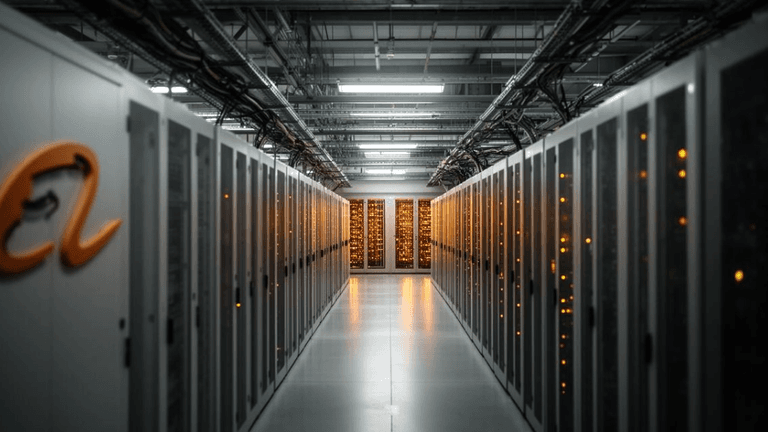
Industry observers note that the AI boom is extending beyond software developers. Demand for advanced chips, data centers, networking equipment, and cloud services has created new opportunities throughout the technology supply chain. Semiconductor manufacturers and hardware suppliers continue expanding production capacity to support increasing demand for high-performance computing used in AI applications.
At the same time, economists are closely watching the broader business environment. Rising energy costs, inflationary pressures, and geopolitical developments continue to influence corporate planning. Even so, many large organizations have maintained AI investment plans, viewing the technology as a long-term strategic priority rather than a short-term trend. According to market analysts, AI remains one of the few sectors where businesses continue committing significant capital despite economic uncertainty.
Corporate earnings reports scheduled in the coming weeks are expected to provide additional insight into how companies are balancing investment with profitability. Executives are likely to face questions from investors about AI-related spending, infrastructure costs, workforce development, and revenue opportunities. Their guidance will help shape expectations for technology stocks during the second half of 2026.
Beyond financial markets, the continued expansion of AI is reshaping the labor market. Organizations across multiple industries are increasing demand for professionals with expertise in machine learning, data engineering, cybersecurity, cloud infrastructure, and AI implementation. Rather than replacing traditional technology roles, many businesses are creating new positions focused on integrating AI into existing products and services.
Business leaders also continue emphasizing responsible AI deployment. As adoption accelerates, companies are investing in governance, cybersecurity, data privacy, and compliance programs to ensure AI technologies are implemented safely and in accordance with evolving regulations. These considerations have become increasingly important as AI applications expand into finance, healthcare, manufacturing, legal services, and public administration.
For consumers, many of these investments will gradually appear through more capable digital assistants, improved search tools, personalized customer experiences, and smarter workplace applications. While much of the industry’s attention remains focused on large-scale infrastructure, the long-term impact is expected to be measured by how effectively AI improves everyday products and services.
As July’s earnings season begins, investors, business leaders, and technology professionals will be watching closely to see whether corporate results reinforce the optimism that has driven AI investment over the past year. Although broader economic conditions remain uncertain, artificial intelligence continues to stand out as one of the defining business and technology stories of 2026, influencing corporate strategy, workforce development, and investment decisions around the world.

A to Z Times Contributor
This article features partner, contributor, or branded content from a third party. Members of the A to Z Times editorial staff were not involved in the creation of this content. All views and opinions are those of the contributor alone.