


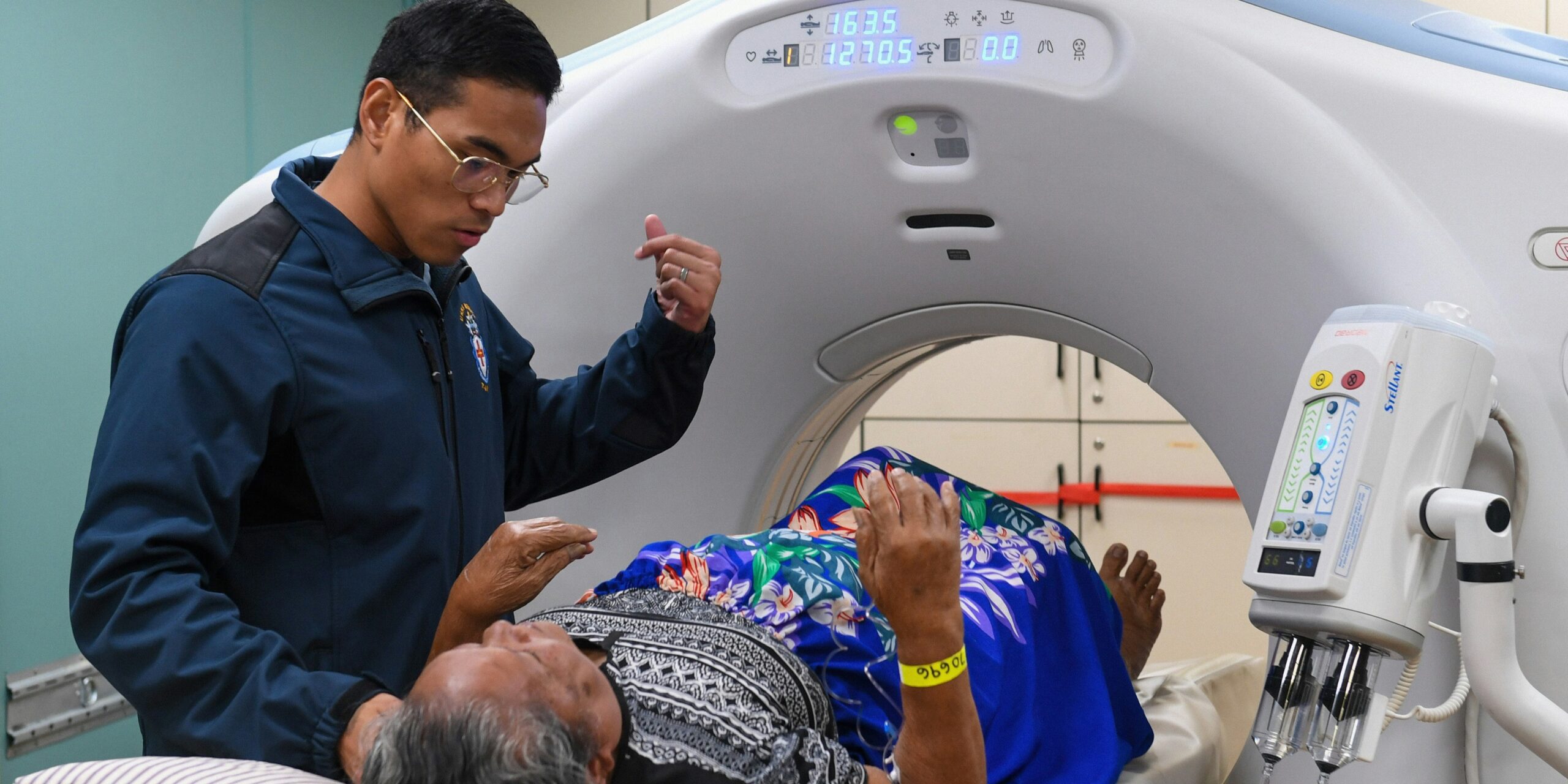
The year 2026 is shaping up to be a transformative period in health and medicine, with scientists and medical professionals across the United States poised for a series of groundbreaking discoveries. Experts predict that this year will usher in significant progress, particularly in areas of disease understanding, data-driven research methods, and innovative medical treatments. The integration of cutting-edge technologies and new research strategies is expected to revolutionize how diseases are understood, prevented, and treated, leading to substantial improvements in both individual and public health.
One of the most promising areas of development in 2026 is the expansion of datasets that combine clinical, molecular, and environmental information. For decades, researchers have been working to connect these disparate data points in hopes of gaining a more complete picture of chronic diseases such as cardiovascular disease, diabetes, and cancer. As technology advances, researchers now have the tools to integrate vast amounts of data from various sources—clinical trials, molecular biology, and environmental factors—offering an unprecedented level of insight into the complexities of these conditions. By linking these pieces of information, scientists will be able to identify patterns that were previously hidden, helping to unravel the genetic, environmental, and lifestyle factors that contribute to the development and progression of these diseases.
These integrated datasets will not only deepen scientists’ understanding of chronic conditions but will also guide the development of more effective preventative strategies. For example, researchers will be able to pinpoint early warning signs of disease before they become symptomatic, enabling healthcare providers to implement personalized intervention strategies earlier, reducing the overall burden of chronic conditions on both individuals and the healthcare system. The hope is that these data-driven approaches will lead to more targeted and precise treatments, helping doctors make better decisions based on a patient’s specific genetic makeup and environmental exposures.
In addition to data integration, the field of de novo protein design is also gaining momentum in 2026. This revolutionary area of research involves designing proteins that do not naturally occur in nature but are custom-built for specific therapeutic purposes. Proteins are the building blocks of life, and by designing new proteins, scientists are creating new possibilities for treating a wide range of diseases. One of the most exciting aspects of this research is the potential to develop proteins that act as artificial enzymes or biological pathways to repair damaged cells, target cancer cells, or combat other conditions like autoimmune diseases or infections. Unlike traditional drug development, which often relies on modifying existing biological pathways, de novo protein design enables the creation of entirely novel therapeutic agents that could be tailored to address specific aspects of a disease more precisely.
The potential of de novo protein design to unlock new treatments is enormous. These custom-designed proteins could be used to target molecular mechanisms that were once thought to be untouchable, providing a new arsenal of tools for treating diseases that have long eluded conventional therapies. For example, researchers may be able to design proteins that are able to bypass drug resistance mechanisms in cancer cells or proteins that stimulate the body’s immune system to fight off viral infections more effectively. This line of research could lead to treatments that are not only more effective but also safer, with fewer side effects than current options.
Furthermore, the acceleration of innovation in these areas is expected to make strides in addressing some of healthcare’s biggest challenges, including the increasing prevalence of chronic diseases, rare diseases, and health inequities. With personalized medicine on the rise, the ability to tailor treatments to individual patients based on their unique genetic profiles and medical histories will continue to evolve. This approach could dramatically improve the effectiveness of treatments, making it possible to target the root causes of diseases rather than just addressing symptoms. Precision medicine, combined with de novo protein therapies, may ultimately offer solutions to conditions that have been historically difficult to treat, providing patients with more options and a higher quality of life.
In addition to these technical advancements, the integration of artificial intelligence, machine learning, and gene-editing technologies is also expected to speed up the pace of innovation in 2026. These tools will allow scientists to analyze vast amounts of biological data quickly and efficiently, identifying promising therapeutic targets and speeding up the development of new drugs. Moreover, the ability to modify genes with precision will enhance the potential for curing genetic diseases, offering hope to individuals affected by rare and previously untreatable conditions.
As research continues to advance in 2026, the convergence of these various fields—data-driven research, protein design, personalized medicine, and advanced technologies—will undoubtedly lead to new breakthroughs in health and medicine. The changes expected over the next year have the potential to reshape the future of healthcare, improving the lives of millions of people worldwide. The continued acceleration of these innovations, alongside greater collaboration between scientists, medical professionals, and technology experts, promises a future where diseases that once seemed insurmountable could be understood, prevented, or even cured. With each new discovery, 2026 will mark a pivotal year in the ongoing journey to improve human health.
Read Also: https://atoztimes.com/advancements-in-mens-heart-health-what-you-need-to-know/
