


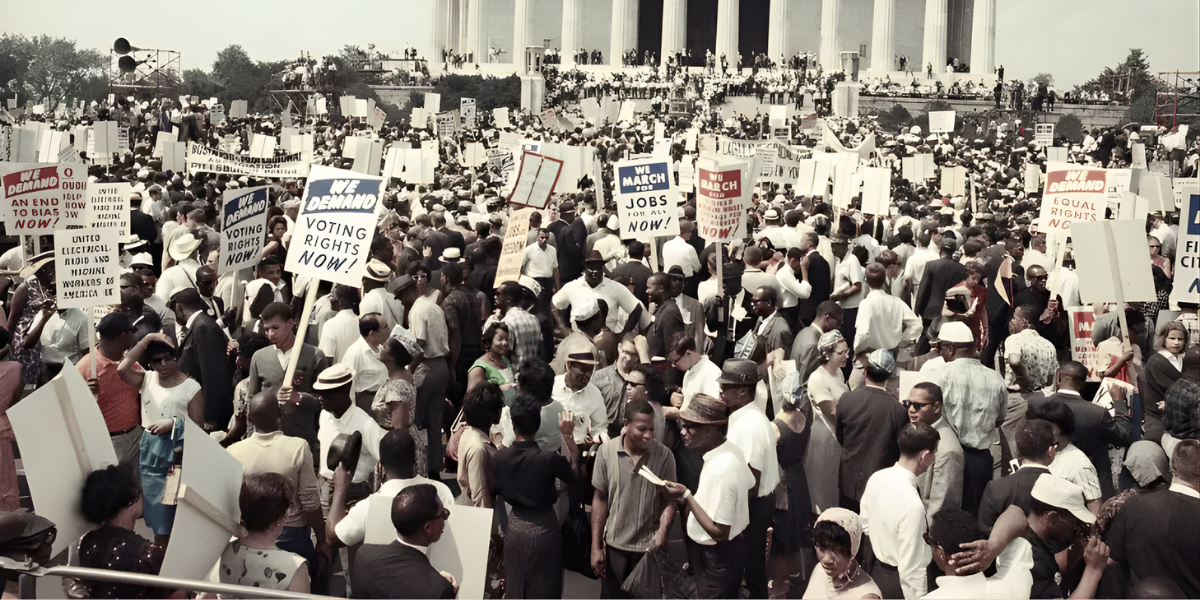
On Saturday, February 7, 2026, a major mobilization unfolded in Washington, D.C., as thousands of young workers and their allies gathered for the Young Worker March on Washington, a historic demonstration focused on economic justice and labor rights for younger generations in the United States. The event, which took place outside the Hyatt Regency Washington on Capitol Hill and continued with a rally near the U.S. Capitol, highlighted pressing socioeconomic challenges facing workers under 40 and underscored ongoing efforts to shape national discourse around labor conditions, affordability, and opportunity.
Rally Origins and Organizers
The Young Worker March on Washington was organized by the American Federation of Government Employees (AFGE) Young Workers division in coordination with the American Federation of Labor and Congress of Industrial Organizations (AFL‑CIO) and supported by a broad coalition of labor, advocacy, and community groups. The event drew on a growing wave of labor engagement among younger Americans, many of whom face stagnant wages, rising living costs, and systemic barriers to economic stability compared with previous generations.
According to organizers’ communications and union announcements ahead of the march, participants were encouraged to assemble at 11 a.m. EST at the Hyatt Regency Washington on Capitol Hill before marching to the U.S. Capitol Building for a noon rally focused on major policy demands and public awareness.
Core Issues and Demands
Participants and speakers at the march highlighted a series of interconnected economic and social issues affecting young workers. Organizers framed these challenges as part of broader systemic problems shaping the American labor landscape, such as high housing costs, student debt burdens, healthcare affordability, childcare expenses, and low wages relative to the cost of living. Many of these themes had been emphasized in preparatory events and online town halls leading up to the march.
Among the central demands articulated for the day were:
- A federal living wage indexed to inflation, intended to ensure that wages keep pace with basic costs of living.
- Expansion of healthcare access, including calls for a public option or broader Medicare coverage for all.
- Affordable and accessible childcare and universal preschool, boosting workforce participation and economic security.
- Caps on prescription drug prices to reduce financial strain on workers and families.
- Expanded student loan forgiveness and access to tuition‑free community college, addressing mounting education debt.
- Strengthened labor rights and union protections, including bargaining rights and support for worker organization.
- Broader housing support programs, such as increased first‑time homebuyer assistance and protections against unchecked rent increases.
Speakers at the rally also honored individuals whose experiences symbolized broader struggles for worker dignity and rights. A moment of remembrance was held for Alex Pretti, an AFGE member noted by union representatives as emblematic of the real human stakes behind labor policy debates.
Participation and Support
The march attracted a diverse cross‑section of participants, including union members, student activists, community organizers, and young professionals. Labor organizations beyond AFGE and the AFL‑CIO, such as the International Association of Machinists (IAM) and NAACP Youth & College divisions, publicly urged participation and highlighted overlapping priorities around economic justice and equity.
Unions and allied groups facilitated attendance by providing logistical support, including transportation options from nearby cities such as Baltimore and Richmond to ensure broader engagement.
Broader Context and Significance
The Young Worker March on Washington reflects a broader trend of labor activism and generational advocacy in the U.S. workforce. With young people citing affordability pressures and job insecurity as key barriers to economic progress, the 2026 demonstration marked a significant moment of collective action aimed at reshaping national conversations around labor policy and youth economic opportunity.
Observers see the march as part of a longer legacy of workforce mobilizations and public demonstrations in the United States, historically tied to efforts for fair wages, worker protections, and social equity. The emphasis on cross‑generational and cross‑organizational coalition building highlighted how labor unions and advocacy groups are actively engaging younger demographics in long‑term organizing strategies.
Key Takeaways
- The Young Worker March on Washington on February 7, 2026, was a major gathering focused on elevating young workers’ economic concerns in the U.S. capital.
- Organizers and participants emphasized demands for a living wage, expanded healthcare access, affordable housing, and strengthened labor rights.
- The event showcased broad support from union groups and community organizations, indicating sustained momentum behind labor advocacy efforts for future workforce stability and economic justice.
- By drawing attention to structural challenges such as student debt and cost‑of‑living pressures, the march underscored the complex realities facing younger Americans in the contemporary labor landscape.
The Young Worker March on Washington thus stands as a significant moment of civic engagement and public advocacy, shaping discourse around labor, economic policy, and generational opportunity in the United States in 2026.
