
Anthropic Files for Public Offering as AI Growth, Infrastructure Costs and Safety Risks Draw Investor Attention
 A to Z Times Contributor—OCTOBER 26, 2026·4 MINS READ
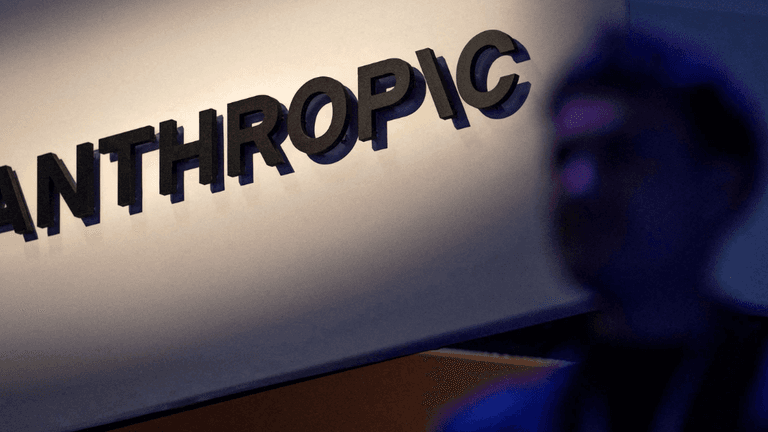
Anthropic submitted an IPO registration statement, putting the economics and risks of advanced artificial intelligence under closer public scrutiny.
Artificial intelligence company Anthropic filed a registration statement with the U.S. Securities and Exchange Commission for a proposed initial public offering, marking a major step toward becoming a publicly traded company. The filing, announced on October 26, places the developer of Claude among the companies seeking to bring the business of advanced AI to public-market investors.
An initial public offering allows a private company to sell shares to public investors, subject to regulatory review and the completion of the offering process. Filing a registration statement does not mean that the IPO has been completed or that a final share price has been set. The document instead provides information that investors can use to evaluate the company's business, finances and risks.
Anthropic's filing attracted attention because of the scale of the AI market and the resources required to compete in it. Advanced AI systems depend on substantial computing infrastructure, specialized chips, data centers, electricity and highly skilled employees. Those requirements create opportunities for growth but also expose companies to large capital commitments and uncertainty about future demand.
The economics of advanced AI
AI companies are working to turn demand for models and related services into durable revenue. Their products can support software development, research, customer service, writing, analysis and other business activities. Organizations adopting these systems may seek productivity gains, but they must also evaluate reliability, privacy, security and the cost of integrating AI into existing operations.
For model developers, meeting demand can require expanding computing capacity before all future revenue is guaranteed. Infrastructure contracts may extend over several years, creating financial obligations that continue even if the market changes or customer growth slows. Competition also puts pressure on providers to improve performance and control the cost of running their systems.
Anthropic's registration statement offers prospective investors a more detailed view of how the company describes its commercial prospects and exposure to risk. Its filing is particularly relevant to a market where enthusiasm for AI has been accompanied by questions about whether spending on infrastructure can produce sustainable returns.
Safety and governance remain central
Anthropic has emphasized AI safety as part of its public identity. That focus is significant because more capable systems may be used in sensitive areas, including software development, scientific research and organizational decision-making. The potential benefits are substantial, but risks can arise when systems produce misleading information, are misused or behave unpredictably.
A public listing would increase the amount of financial and business information available through regulatory disclosures, while also placing the company under the scrutiny of public investors. The responsibilities of a publicly traded company can create tensions between the need to deliver financial results and the resources required for long-term safety research, testing and risk management.
Investors may also examine how a company's governance structure affects decision-making. Anthropic's public-benefit positioning and its stated approach to safety form part of the broader discussion about how AI developers should balance commercial goals with public interests. The details disclosed in the filing allow investors to assess the structure described by the company rather than relying solely on public statements about its mission.
A test for the wider AI investment market
Anthropic's proposed IPO arrives as investors assess how much value will ultimately be generated by the AI boom. The market includes model developers, cloud providers, chipmakers, data-center operators and businesses building applications on top of AI systems. Their fortunes are connected, but their revenue models and financial exposures differ.
A successful public offering could give investors a new way to participate directly in the growth of a major AI developer. It would also provide a more visible test of how public markets value companies with significant infrastructure needs and uncertain long-term economics.
The risks remain material. Rapid technological change could make existing products less competitive, while infrastructure costs, customer concentration, regulation and security issues may affect future performance. Public-market investors will need to distinguish between a growing industry and the prospects of an individual company.
Anthropic's filing does not settle those questions. It opens a new stage in the company's development, bringing its business model, capital needs and stated safety commitments into a formal disclosure process. The eventual offering will be watched not only as a corporate milestone, but also as a measure of investor confidence in the commercial future of advanced artificial intelligence.

A to Z Times Contributor
This article features partner, contributor, or branded content from a third party. Members of the A to Z Times editorial staff were not involved in the creation of this content. All views and opinions are those of the contributor alone.