


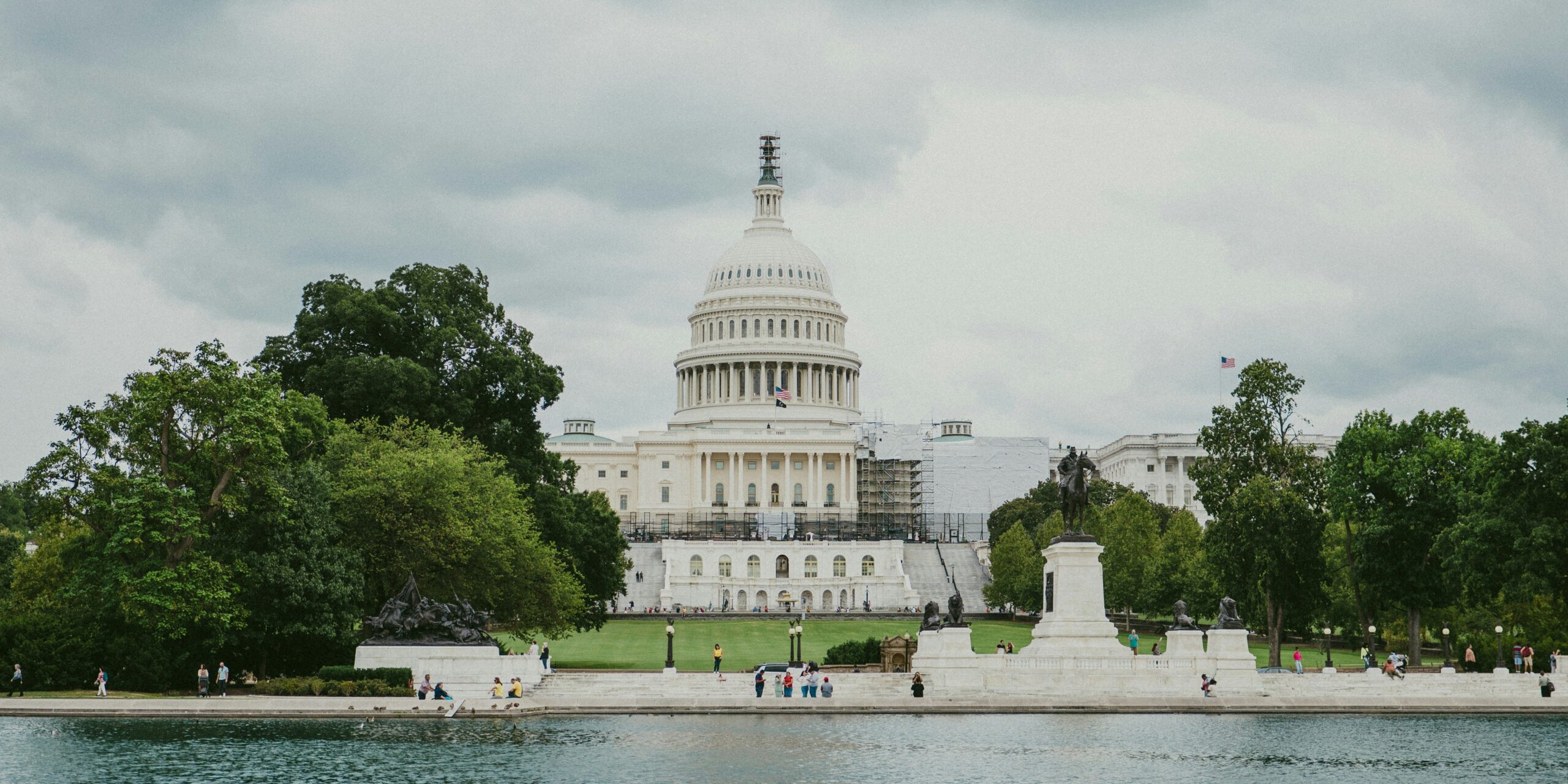
On January 29, 2026, U.S. lawmakers in Congress reached a critical bipartisan funding agreement that successfully averted a full federal government shutdown, which had been looming as the new fiscal year approached. This agreement, reached just days before the start of fiscal year 2026, was a key moment in the ongoing budget negotiations, with lawmakers working against a tight deadline to ensure that essential government services would continue without disruption.
The package agreed upon by Congress included a mix of appropriations bills that covered six of the twelve full-year spending measures needed to fund the federal government. These bills are vital because they provide the necessary funding for a wide range of government functions, from defense and education to healthcare and infrastructure. In addition to these full-year appropriations, the agreement also included a continuing resolution aimed at temporarily extending funding for the Department of Homeland Security (DHS). This measure, which will keep DHS operating through mid-February, was intended to give lawmakers additional time to finalize the remaining spending bills for the year, ensuring that all government agencies would continue to operate smoothly.
The Senate approved the funding package with a broad bipartisan vote, signaling a rare moment of cooperation between the two major parties, who have often been at odds over fiscal matters in recent years. This overwhelming vote was a critical step in the process, setting the stage for the package to move to the House of Representatives for final approval. The fact that the Senate was able to come together to approve the package underscored the urgency of the situation, as the possibility of a government shutdown remained a real threat if a deal could not be reached in time.
Had the package failed to pass before the January 31, 2026 deadline, a partial government shutdown would have been triggered. This would have resulted in federal agencies that had not yet been funded by appropriations bills halting their operations, potentially disrupting critical services such as law enforcement, health care, and social services. The economic impact of such a shutdown could have been significant, with government workers furloughed and public services temporarily suspended. The threat of a shutdown created a sense of urgency in Congress, as lawmakers recognized the potential negative consequences of failing to act.
This funding compromise is also notable because it reflects the growing political pressures faced by lawmakers in Washington. With a tight budget calendar and ongoing policy debates, the deal represented a rare instance where partisan divides were set aside in order to reach an agreement that could keep the government functioning. However, the deal was not without its challenges. The political atmosphere in Washington has been charged with disagreement over several key issues, including defense spending, social programs, and economic policies. Negotiations to finalize the remaining appropriations bills are expected to be difficult, with some lawmakers advocating for increased spending in certain areas while others push for budget cuts.
Despite these challenges, the agreement reached on January 29 offers hope that further cooperation will be possible in the future. It demonstrates that, even in a time of intense political polarization, lawmakers are still able to come together to ensure the government operates effectively and that essential services are not interrupted. As the negotiations continue over the next few weeks, the focus will shift to finalizing the remaining appropriations bills and ensuring that all agencies are fully funded before any further budget deadlines arrive.
This agreement is a significant achievement for both the lawmakers who brokered it and the American public, who rely on the federal government to provide critical services. However, it also highlights the continuing challenges of managing the federal budget, particularly as lawmakers balance the needs of a growing population, evolving national priorities, and fiscal constraints. As the fiscal year progresses, lawmakers will need to continue working together to address these challenges, ensuring that the federal government can function smoothly and effectively, even in the face of political disagreements and economic uncertainty.
