


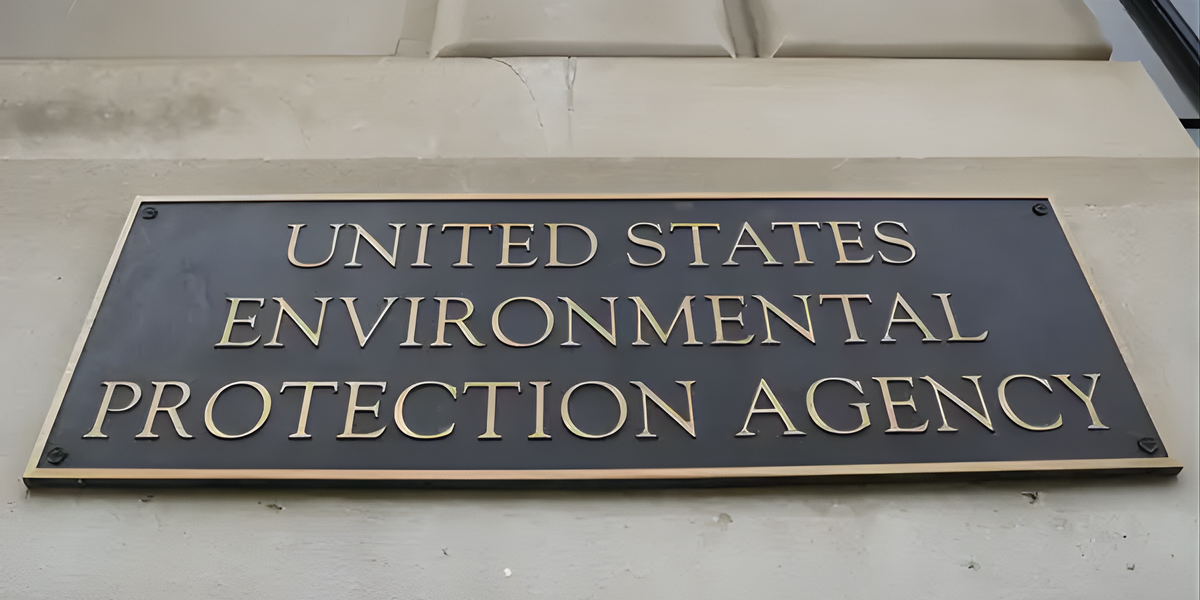
On February 12, 2026, the United States witnessed a significant shift in federal environmental policy as the Environmental Protection Agency (EPA) formally repealed the 2009 “endangerment finding”, a foundational scientific and legal determination that empowered the federal government to regulate greenhouse gases under the Clean Air Act. This move marks one of the most consequential regulatory changes in U.S. climate policy history, with broad implications for future environmental regulation, public health, and the nation’s role in addressing climate change.
Background: What Was the Endangerment Finding?
The endangerment finding was first established in 2009 after the U.S. Supreme Court ruled in Massachusetts v. EPA (2007) that greenhouse gases, such as carbon dioxide and methane, met the definition of air pollutants under the Clean Air Act and therefore could be regulated to protect public health and welfare. This scientific determination served as the legal backbone for a wide array of federal climate regulations, including emissions standards for vehicles and power plants.
For more than 17 years, the endangerment finding underpinned efforts to curb pollution that contributes to global warming and its associated impacts such as heat waves, respiratory illness, and extreme weather events. Its repeal effectively removes the federal government’s central authority to regulate greenhouse gases across multiple sectors.
Policy Change and Government Stance
In an announcement at the White House alongside EPA Administrator Lee Zeldin, President Donald Trump described the repeal as “the single largest deregulatory action in American history.” According to the administration, the repeal will reduce regulatory costs for businesses and save billions of dollars for consumers, particularly in sectors like automotive manufacturing and energy production. Officials argued that reducing federal climate regulations will spur economic growth and alleviate what they characterize as burdensome compliance costs for industry.
What the Repeal Does
With the endangerment finding revoked:
- The federal government will no longer have the stated scientific authority to regulate greenhouse gas emissions from major sources such as cars, trucks, and power plants under the Clean Air Act.
- Existing emissions standards linked directly to the finding, such as certain vehicle efficiency and reporting requirements, are expected to be eliminated or rolled back.
- Proposed actions to delay or remove methane emissions regulations from oil and gas facilities have also been tied to this policy reversal.
Though the EPA has advanced these changes as beneficial for reducing regulatory burdens, analysts, scientists, and public health advocates warn of significant risks, including increased air pollution, public health harms, and setbacks in climate mitigation efforts.
Reactions from Experts and Advocacy Groups
The decision has ignited a broad response across scientific, environmental, and legal communities:
- Environmental and scientific leaders argue that the endangerment finding was rooted in extensive scientific evidence linking greenhouse gas emissions to climate-related health risks such as heat stress, asthma, and cardiovascular disease. Repealing it, they contend, undermines decades of scientific research.
- Several environmental organizations and state governments, including California, have pledged to challenge the repeal in court, asserting that the EPA’s action ignores established science and legal precedent.
- Critics also stress that climate change continues to present urgent challenges, including rising global temperatures, more intense wildfires, and increased frequency of extreme weather events, all of which disproportionately impact vulnerable communities.
Legal and Regulatory Outlook
The repeal of the endangerment finding is expected to trigger lengthy legal battles. Opponents argue that federal courts have consistently upheld the EPA’s authority to regulate greenhouse gases when backed by scientific findings, and that rescinding these protections without new scientific justification could be legally tenuous. Many expect that litigation will determine whether key aspects of federal climate governance can be dismantled or must be reinstated.
Significance and Broader Impacts
This policy shift represents a dramatic redirection of U.S. environmental regulation, effectively rolling back one of the core tools the federal government has used to combat climate change for nearly two decades. The immediate effect is the weakening of federal power to limit climate-heating emissions, which could reshape industry practices, regulatory standards, and the nation’s ability to meet international climate commitments.
In the broader context, the repeal underscores the deep policy divides over environmental governance, economic priorities, and scientific interpretation in the United States. Its full impact will unfold over time, particularly as legal challenges progress and as communities, states, and industries adjust to this new regulatory environment.
