


In early January 2026, the winners of the 2025 Nikon Small World photomicrography competition were showcased to a global audience, illuminating the start of the year with stunning, high-resolution images from the unseen microscopic world. This annual contest, now in its 51st year, celebrates not only advances in scientific imaging but also the artistic potential of microscopy. It continues to captivate researchers, educators, and the public by offering glimpses into the complex structures and life forms that exist far beyond the reach of the human eye.
The first-place prize in the 2025 competition went to Zhang You, a photographer and entomology enthusiast from China. His winning image captured a rice weevil (Sitophilus oryzae) delicately perched on a single grain of rice, with its wings spread mid-flight — a moment of breathtaking detail and precision frozen in time. The photograph was created using a sophisticated imaging technique called focus stacking, where more than 100 individual microscopic images are layered to produce a single image with exceptional clarity and depth of field. The result is a visually arresting portrayal of a common insect, elevated to an object of wonder and aesthetic fascination.
Zhang, a member of several entomological societies in China, discovered the preserved insect by chance and recognized its potential as a subject for microscopic photography. The juxtaposition of the beetle’s fine anatomical features against the backdrop of a grain of rice not only highlighted the creature’s tiny scale but also underscored the fusion of science and art that defines the Nikon Small World competition. His image quickly gained attention for both its technical sophistication and its storytelling power, representing the competition’s ethos of making science accessible and visually engaging.
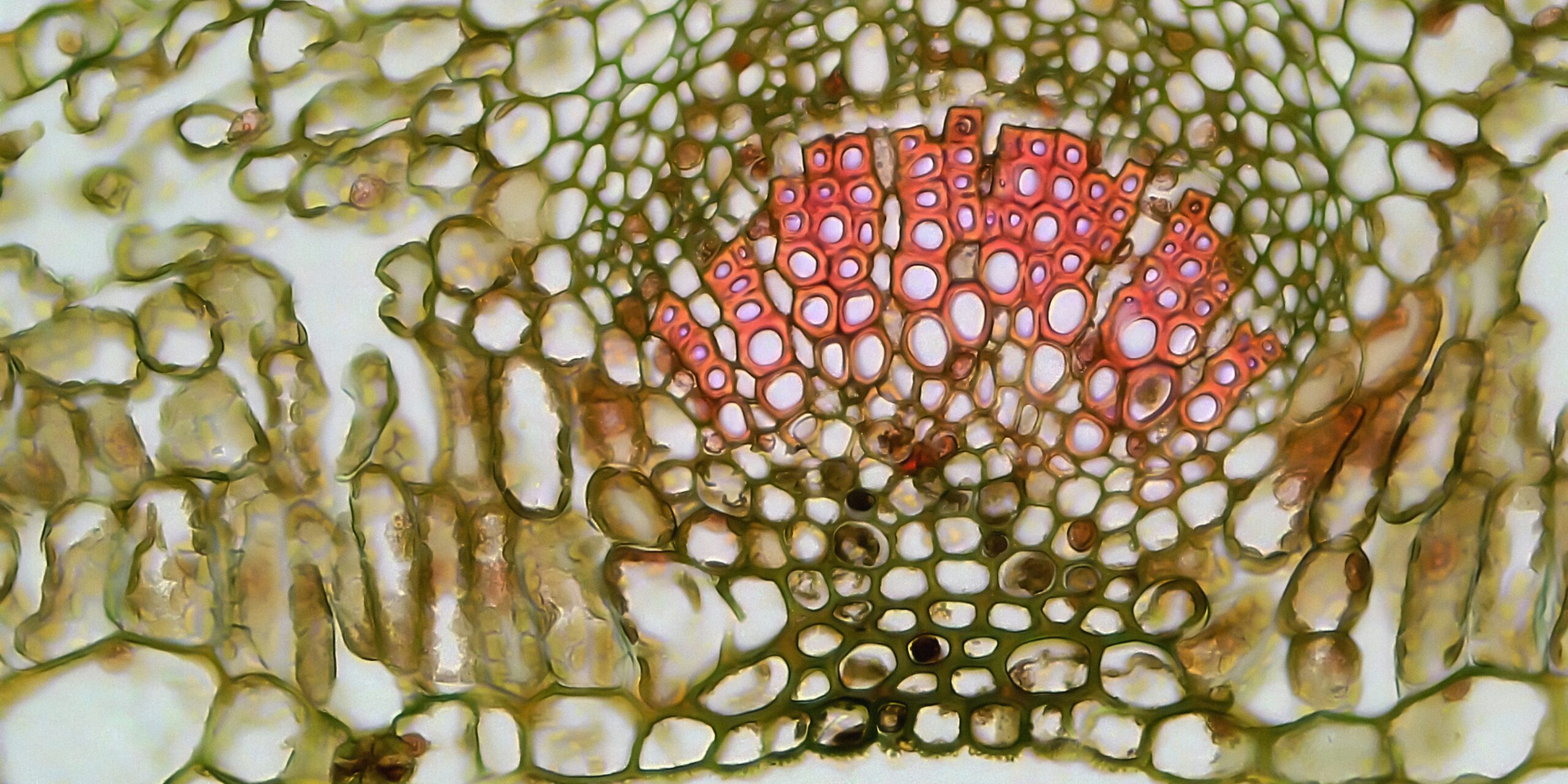
Other winning entries in the 2025 contest explored an astonishing variety of subjects, including the architecture of plant cells, the network of neurons in animal tissue, and the fascinating symmetry of microscopic algae colonies. Each photograph told its own story, offering insight into both biological processes and the often-overlooked elegance of natural forms. From delicate fungal spores to intricate crystalline structures, the images revealed a world that exists just beyond the visible, inviting viewers to appreciate both the beauty and complexity of the small-scale universe.
The Nikon Small World competition has long stood at the intersection of science and visual storytelling. Launched in 1975, the contest was designed to promote the field of photomicrography — photography through a microscope — and to encourage a broader public appreciation for scientific research. Over the years, it has grown into one of the most prestigious global showcases of scientific imagery, drawing entries from scientists, artists, and amateur enthusiasts alike. The competition highlights how advances in imaging technologies, such as confocal microscopy, polarized light techniques, and digital enhancement, continue to deepen our ability to study the natural world at the cellular and molecular level.
The winning photographs often go on tour in traveling exhibitions at museums, universities, and science centers around the world. They are also featured in online galleries, making them widely accessible to students, educators, and the curious public. These exhibitions serve not only as a source of inspiration but also as an educational tool, illustrating complex scientific principles in a way that is both engaging and visually memorable. In classrooms and research institutions, the images spark conversations about biology, chemistry, and technology, while also prompting broader reflections on the interconnectedness of all life.
Public interest in this year’s winners has been particularly strong, reflecting a growing fascination with science communication and the power of visual media to spark curiosity. As society continues to grapple with global scientific challenges — from public health to climate change — competitions like Nikon Small World play a crucial role in fostering scientific literacy and engagement. By transforming raw data into compelling visual narratives, the contest helps demystify science and invites people from all walks of life to explore and appreciate the unseen world around them.
In the broader cultural context, the competition also underscores a renewed appreciation for detail and patience in an era defined by fast-paced digital consumption. Each image in the competition is the result of meticulous preparation, often requiring weeks or months of work to perfect lighting, magnification, and composition. In a time when artificial intelligence and automation dominate discussions of innovation, these photographs stand as a testament to the enduring value of craftsmanship and human curiosity in scientific exploration.
As 2026 begins, the Nikon Small World winners remind us that some of the most profound wonders of the universe can be found not in the distant reaches of space, but within the tiniest forms of life here on Earth. Whether viewed through the lens of science, art, or education, these microscopic marvels inspire a sense of awe and a deeper appreciation for the hidden layers of the natural world — an apt message as we embark on a new year filled with discovery and possibility.
