
Nashville Chosen to Host Super Bowl LXIV, Expanding Its Role in U.S. Sports Tourism
 A to Z Times Contributor—MAY 19, 2026·3 MINS READ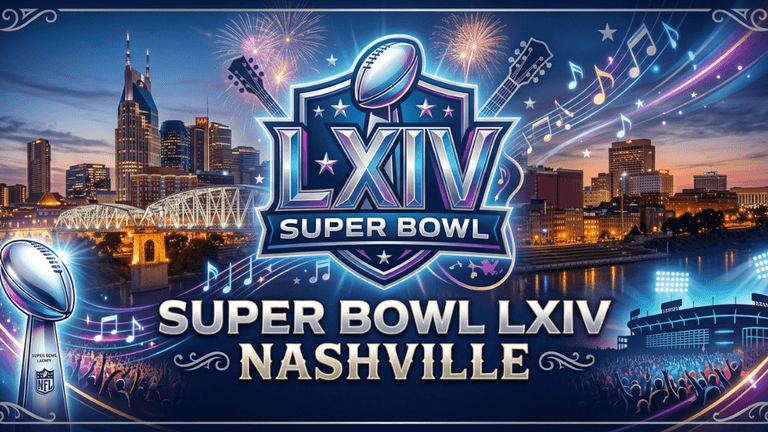
Nashville has officially been selected to host Super Bowl LXIV, making it the first city in Tennessee to stage the National Football League’s championship game. The announcement marks a major step for Nashville as it continues to grow beyond its traditional reputation as a music capital and strengthens its place as one of the country’s leading destinations for major sporting events.
The game will be played at the new Nissan Stadium, a domed facility currently under construction along the Cumberland River. Scheduled to open in 2027, the stadium is designed to host large-scale international events, with seating for around 60,000 spectators and features that meet the NFL’s standards for a Super Bowl venue. The project is also central to a broader downtown redevelopment effort aimed at attracting major conventions, concerts, and sporting events to the city.
For Nashville, the Super Bowl represents more than one football game. It is expected to generate long-term economic activity, increased tourism, and global visibility. Hosting the event places the city on the same stage as other major U.S. destinations that regularly welcome large international sporting events. City leaders and tourism officials have described the selection as one of the most significant milestones in Nashville’s recent development, particularly as the city continues investing in infrastructure and hospitality.
A major factor in the NFL’s decision was Nashville’s successful hosting of the 2019 NFL Draft. That event drew record crowds and received praise for its organization, entertainment, and downtown accessibility. It demonstrated that the city could handle major national events while offering a distinct local experience. The combination of logistics, fan engagement, and cultural identity made Nashville an increasingly attractive option for the league.
The Super Bowl has become one of the most important annual events in American tourism and entertainment. While it remains the championship game of the NFL season, it now functions as a weeklong economic engine for host cities. Hotels, restaurants, transportation companies, retailers, and local attractions typically see a surge in demand. The event also draws media organizations from around the world, increasing international exposure for the host city.
For local businesses in Nashville, the announcement provides several years to prepare for the event. Hotels are expected to expand accommodations and staffing, while restaurants and entertainment venues are likely to invest in renovations to meet expected demand. The city’s established hospitality industry is considered a major advantage. Nashville already welcomes millions of visitors each year for live music, conventions, and festivals, giving it an experienced tourism base to support a high-profile event like the Super Bowl.
The decision also reflects a broader trend in the NFL’s host city strategy. In recent years, the league has increasingly chosen cities that have invested in modern enclosed stadiums. This approach allows more geographic diversity while reducing weather concerns for an event that takes place in winter. Nashville now joins a growing group of cities that have expanded their national sports profile by building new venues designed for year-round events.
The city’s entertainment reputation is expected to shape a unique Super Bowl experience. Known for its live music districts, cultural attractions, and accessible downtown layout, Nashville offers an environment that naturally supports the concerts, festivals, and fan events that surround the game. NFL officials have pointed to the city’s ability to combine sports and entertainment as a major reason for its successful bid.
Urban planners also see the selection as an example of how major sports events are tied to long-term city development. The new stadium project has been promoted not only as a home for Tennessee Titans but as a catalyst for redevelopment, tourism growth, and business expansion. Hosting the Super Bowl often helps justify infrastructure upgrades, public transportation improvements, and increased private investment in surrounding areas.
As preparations begin, Nashville is expected to continue positioning itself as a national destination for both sports and entertainment. The city’s selection for Super Bowl LXIV confirms its growing influence in the U.S. event economy and reflects how large sporting events increasingly shape urban development strategies. For Nashville, the championship game is more than a single event, it is a milestone that could influence tourism, business, and regional identity for years to come.

A to Z Times Contributor
This article features partner, contributor, or branded content from a third party. Members of the A to Z Times editorial staff were not involved in the creation of this content. All views and opinions are those of the contributor alone.