


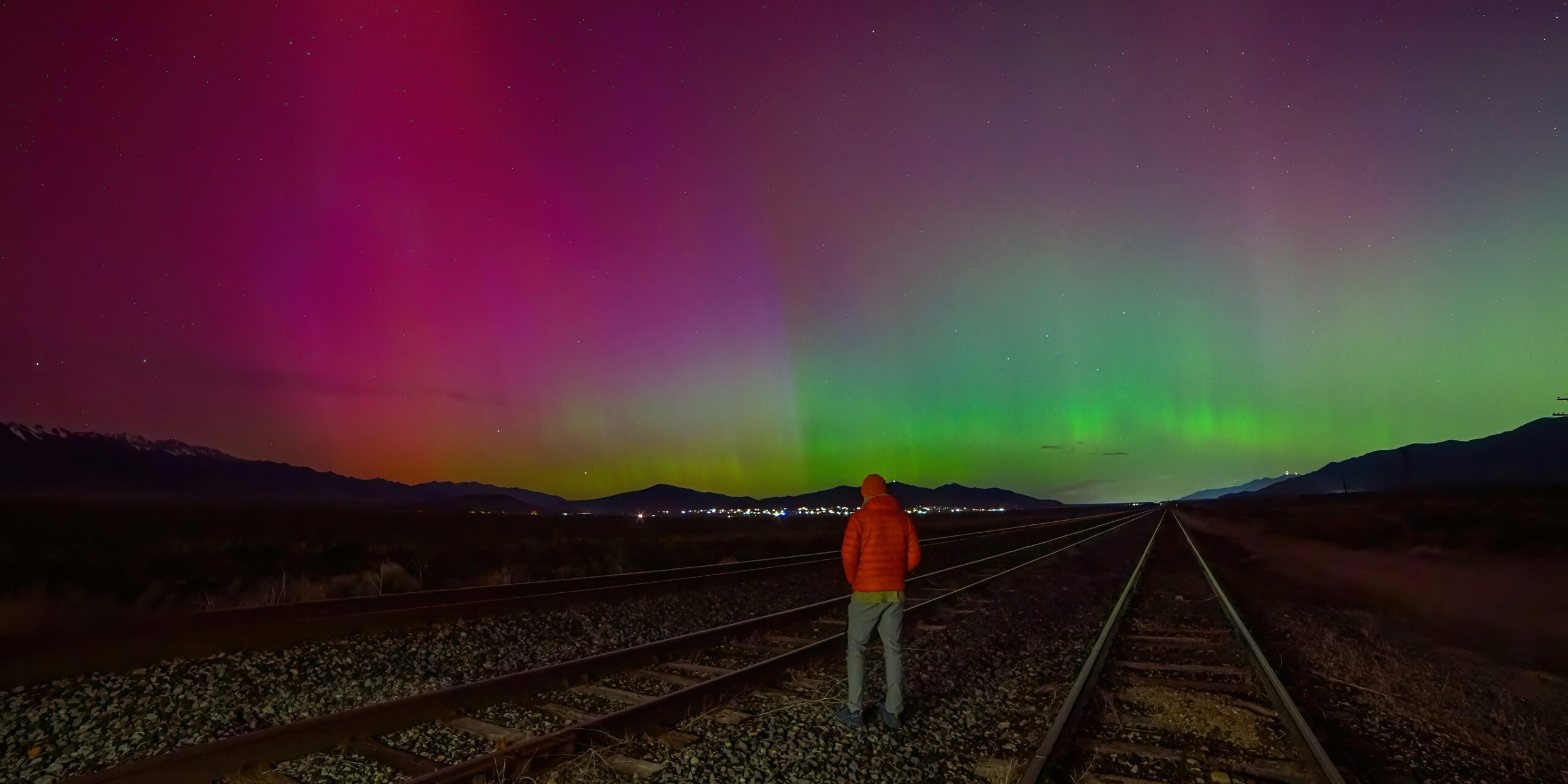
On January 19, 2026, a powerful geomagnetic storm was forecast to create rare auroral displays visible across much of the United States, offering an unprecedented opportunity for skywatchers in the lower latitudes to witness the northern lights. According to the National Oceanic and Atmospheric Administration (NOAA), the event was triggered by heightened solar activity, resulting in geomagnetic and solar radiation disturbances. The effects of this intense storm were expected to push aurora borealis sightings far beyond their typical Arctic latitudes, making them visible across northern U.S. states and even parts of the Midwest, Northeast, and Pacific Northwest.
The geomagnetic storm, described by NOAA as one of the most significant solar events in over two decades, was expected to persist into Tuesday, giving both casual observers and astronomy enthusiasts a chance to enjoy this celestial spectacle. The auroras, typically seen in areas like Alaska, northern Canada, and Scandinavia, would now be visible in a much broader swath of the continent. In some regions, the auroras were expected to appear as far south as states such as Michigan, New York, and even parts of the Pacific Northwest.
Astronomers and skywatchers across North America have been eagerly preparing for the rare event, setting up observation sites and ensuring their equipment is ready to capture the stunning light displays. The colors of the aurora, which can range from vivid greens to purples and reds, are caused by solar particles colliding with the Earth’s magnetic field and ionizing the gases in the atmosphere. This spectacular phenomenon is often described as one of nature’s most beautiful and awe-inspiring sights.
In addition to the visual impact, the geomagnetic storm posed potential risks to modern technology. The increased solar activity could disrupt satellite communications, GPS systems, and other space-based technologies. The U.S. Geological Survey noted that the storm could interfere with satellite signals and could potentially affect critical infrastructure relying on GPS for accurate positioning, timing, and navigation. These disruptions are typically short-lived but can cause temporary outages or inaccuracies in systems that depend on satellite communication.
The heightened interest in this event reflects growing public fascination with space weather and its impact on life on Earth. As the storm was expected to span multiple days, communities across affected regions were prepared to enjoy an extended display of the aurora, with numerous skywatching groups and local observatories organizing special events to help people make the most of this rare opportunity. The storm offered a chance for people who might not typically be able to see the northern lights to witness the spectacle firsthand, adding to the excitement.
The aurora borealis has long been a subject of fascination for humans, from ancient civilizations to modern-day scientists. For many, it represents a magical connection between the Earth and the cosmos. As people across the northern U.S. and Canada eagerly awaited the arrival of the storm, the opportunity to witness the northern lights served as a reminder of the power and beauty of our planet’s connection with the sun and the cosmos at large.
While the storm’s visual impact was the primary draw, it also sparked important discussions around space weather and its potential consequences. Experts warned that geomagnetic storms of this magnitude are relatively rare but increasingly more common as the sun moves through its solar cycle, and their ability to affect modern technology has become an area of significant concern. As scientists continue to study solar activity and its impact on Earth, events like this geomagnetic storm underscore the delicate balance between our planet’s natural wonders and the technologies that have come to shape our daily lives.
For now, the focus remains on the awe-inspiring beauty of the auroras. People across the U.S. are expected to look up on the evening of January 19 and into the following days, hoping to catch a glimpse of this spectacular natural light show, which is sure to leave a lasting impression on anyone fortunate enough to witness it.
