


On January 7, 2026, U.S. health officials from the Departments of Health and Human Services (HHS) and Agriculture unveiled a comprehensive revision to the Dietary Guidelines for Americans, covering the period from 2025 to 2030. This marks the most significant update to federal nutrition policy in decades, and the guidelines are set to guide public health recommendations and food policies across the nation for the next five years. The updated guidelines reflect the growing concern about the state of public health in the U.S., where diet-related chronic diseases such as obesity, heart disease, diabetes, and certain cancers have become increasingly prevalent. With a large percentage of the American population either overweight or dealing with chronic illnesses linked to poor diets, these new guidelines emphasize the need for healthier food choices to reduce long-term health risks and improve quality of life for all Americans.
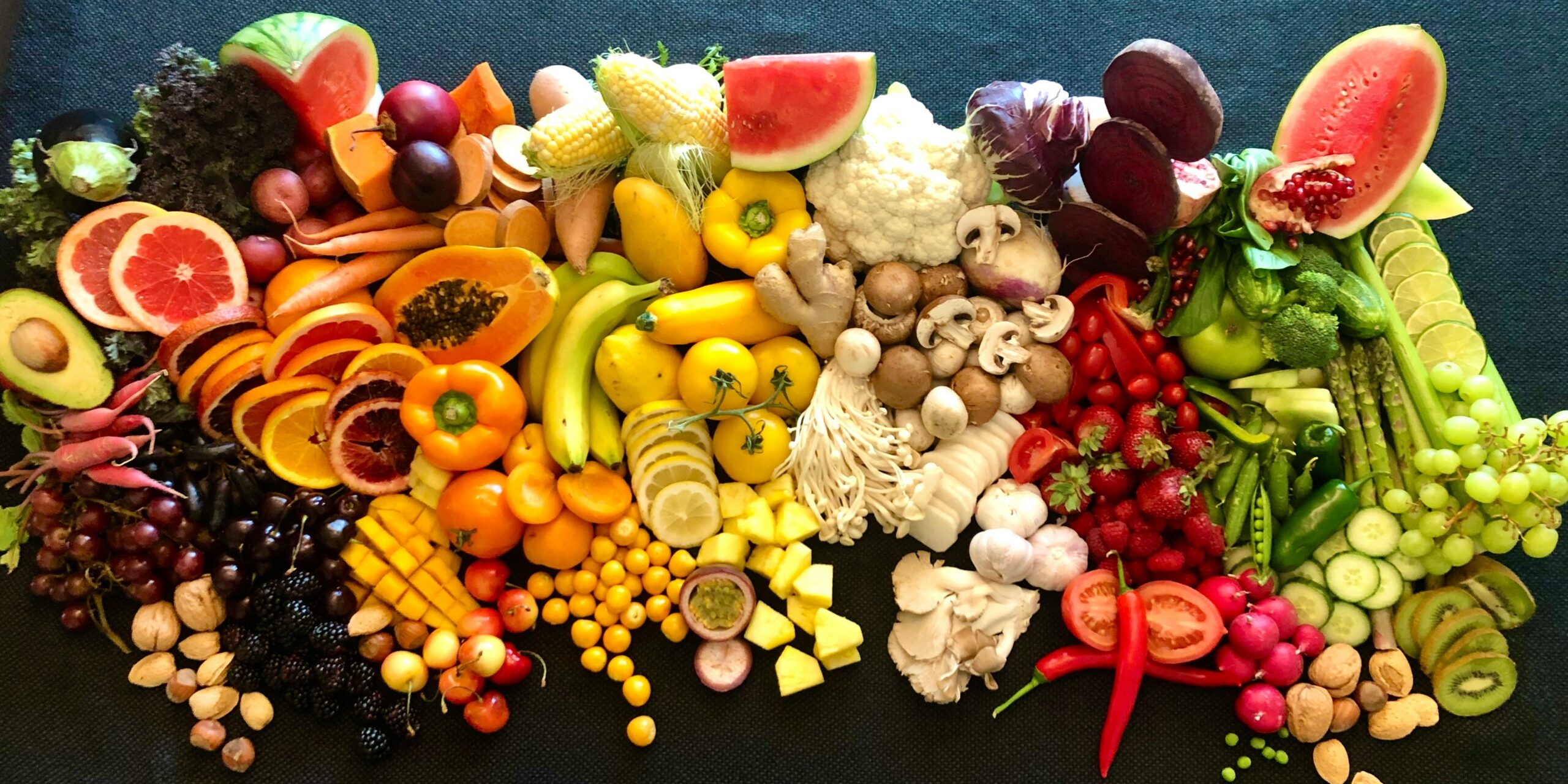
The central focus of the newly revised dietary guidelines is a shift toward whole, nutrient-dense foods. The guidelines stress the importance of consuming a variety of foods that provide essential nutrients, including vegetables, fruits, dairy, lean proteins, and healthy fats, while significantly reducing the intake of highly processed foods, refined grains, added sugars, and unhealthy fats that have been shown to contribute to chronic health conditions. These new recommendations are grounded in the latest nutrition science, which continues to highlight the risks of consuming large quantities of processed foods, sugary drinks, and refined carbohydrates, all of which have been linked to the rise in diet-related diseases such as type 2 diabetes, cardiovascular disease, and obesity.
The 2025–2030 guidelines underscore the importance of adopting nutrient-dense eating patterns that support overall health and prevent chronic diseases. Rather than promoting short-term diets or weight loss fads, the new guidelines advocate for sustainable, balanced eating habits that prioritize long-term health benefits. Health experts emphasize that eating patterns rich in vegetables, fruits, whole grains, and healthy fats can significantly lower the risk of developing chronic conditions, enhance physical and mental well-being, and even extend lifespan. The updated guidelines also stress the importance of moderation, recommending that Americans limit their intake of foods that are high in added sugars and unhealthy fats while maintaining a balanced approach to fat consumption, with a focus on healthy fats derived from sources such as olive oil, avocados, and nuts.
One of the most notable changes in the updated guidelines is a greater focus on protein consumption. Health officials have recognized the role that protein plays not only in building and repairing tissues but also in promoting satiety, supporting metabolic function, and maintaining muscle mass, especially as individuals age. The new guidelines recommend incorporating a variety of protein sources into the diet, including lean meats, seafood, eggs, plant-based proteins such as beans and lentils, and dairy products, all of which provide a range of essential nutrients. This emphasis on protein comes at a time when studies show that adequate protein intake is critical in supporting metabolic health and maintaining a healthy weight.
Alongside this emphasis on protein, the new guidelines offer updated guidance on dietary fats. Whereas previous versions of the guidelines focused on limiting fats, the 2025–2030 update takes a more nuanced approach. It emphasizes the importance of consuming healthy fats from whole food sources while limiting saturated fats that are commonly found in animal products and highly processed foods. The guidelines acknowledge the benefits of unsaturated fats, such as those found in nuts, seeds, and certain oils, while advising moderation in the consumption of saturated fats.
In addition to advising moderation in fat and sugar consumption, the new dietary guidelines also place a strong emphasis on limiting processed foods. Health experts have long recognized the risks associated with the consumption of foods that are high in sodium, refined sugars, and artificial additives, all of which contribute to the development of chronic health issues. By recommending a reduction in processed foods, the guidelines aim to foster a shift toward more natural, wholesome foods that provide essential nutrients without the added chemicals and unhealthy fats commonly found in processed options.
The updated guidelines also reflect growing concerns about the impact of added sugars on public health. Officials recommend that Americans limit their consumption of sugary beverages, snacks, and other products that provide little to no nutritional benefit. The guidelines suggest that no more than 10% of daily caloric intake should come from added sugars, a significant reduction from the current average consumption, which is much higher. The goal is to address the rising rates of obesity, diabetes, and other metabolic disorders that are directly linked to excessive sugar intake.
Furthermore, the updated guidelines offer new recommendations regarding alcohol consumption. In contrast to previous versions that set specific limits on the number of alcoholic drinks per day, the 2025–2030 guidelines take a more flexible approach. They emphasize that if individuals choose to consume alcohol, it should be done in moderation, with an understanding of the health risks associated with excessive drinking, such as liver disease, certain cancers, and cardiovascular issues.
Public health officials have also stressed the importance of these guidelines for food assistance programs like the Supplemental Nutrition Assistance Program (SNAP), the National School Lunch Program, and the Special Supplemental Nutrition Program for Women, Infants, and Children (WIC). The updated guidelines will help shape the types of foods provided to millions of Americans through these programs, ensuring that families who rely on them have access to healthy, nutrient-dense foods. The guidelines will also be used to inform nutrition education efforts, which aim to teach individuals and communities how to make healthier food choices that can reduce health risks and improve overall wellness.
While the updated guidelines have been praised by many health experts and organizations for their focus on disease prevention, some critics have raised concerns about their practicality, particularly for individuals in low-income communities or rural areas who may have limited access to fresh, healthy foods. The guidelines will likely face challenges in terms of implementation, particularly in areas where access to affordable, nutritious foods is limited. Public health officials have acknowledged these challenges and stressed the need for continued efforts to improve food access and support for communities that face barriers to healthy eating.
The 2025–2030 Dietary Guidelines for Americans represent a critical step in addressing the growing public health crisis of diet-related chronic diseases. With a focus on whole foods, nutrient-dense eating patterns, and the reduction of processed foods and added sugars, the new guidelines are designed to help Americans make informed choices that promote long-term health. As the nation faces an increasing burden of chronic diseases, these updated guidelines offer a roadmap for improving the health of individuals and populations across the U.S., and they will play a key role in shaping the future of public nutrition policy in the coming years.
