


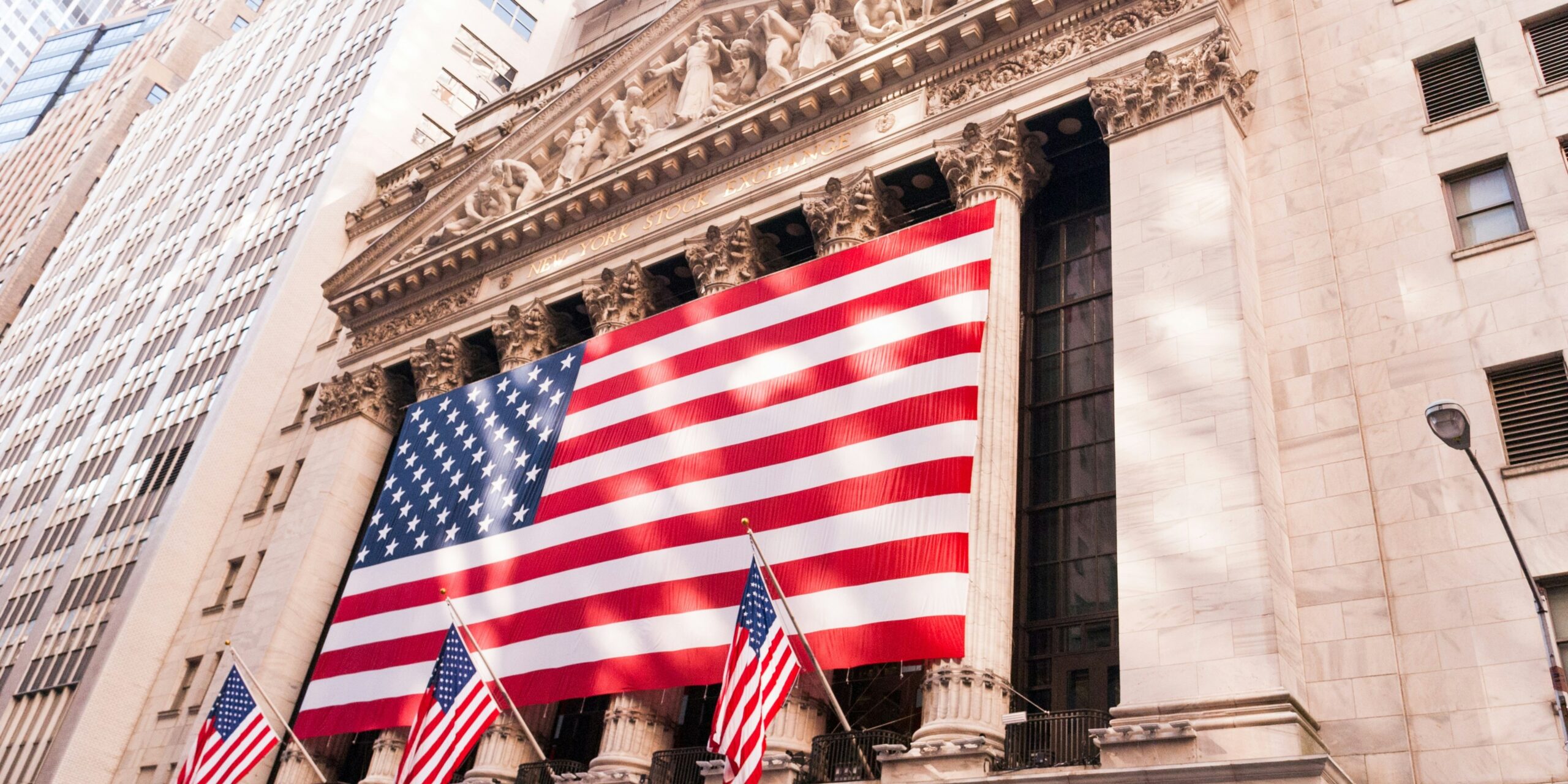
U.S. equity markets closed higher on December 3, 2025, with a significant boost from the technology and industrial sectors. This positive movement was primarily driven by renewed optimism among investors about the possibility of interest rate cuts by the Federal Reserve. The Dow Jones Industrial Average rose by about 0.9%, the Nasdaq Composite gained roughly 0.2%, and the S&P 500 climbed around 0.3%. The rally marked a moment of confidence in the face of economic uncertainty, as investors responded favorably to the belief that the central bank might soon ease monetary policy.
The upward momentum in the stock market was largely attributed to expectations that the Federal Reserve would lower interest rates in the near future. Lower rates generally make borrowing cheaper, which can stimulate investment and consumer spending, particularly benefiting growth-oriented sectors like technology and industrial manufacturing. Companies in the tech sector, many of which rely on continuous investment to fuel innovation, could see significant benefits from a lower-cost borrowing environment. Likewise, durable goods manufacturers, a key component of the industrial sector, tend to thrive when the cost of financing for capital-intensive projects drops, making it easier for them to expand operations and invest in new infrastructure.
In addition to the optimism surrounding potential rate cuts, market participants were also encouraged by the relative stability in earnings forecasts for major technology and industrial companies. Despite the ongoing uncertainties surrounding inflation, global supply chains, and changing consumer behavior, the outlook for companies in these sectors remained relatively positive. Investors seemed to take comfort in the fact that, even with broader macroeconomic risks, these companies were still expected to perform well in the coming quarters. This helped underpin demand for equities, particularly in sectors that are seen as integral to the future growth of the economy.
The rally on December 3 highlighted a cautious but constructive mood among investors as the year draws to a close. While the overall tone was optimistic, there was also a clear awareness of the potential risks that lie ahead. As the year nears its end, the focus for many market participants is shifting toward how companies will navigate the challenges of potential interest rate changes, as well as how they will adapt to shifting demand patterns as they move into 2026. There is a sense that, although the economy may face some turbulence in the short term, companies that are able to adjust to these changes effectively will be well-positioned for growth in the longer term.
Despite the positive performance on December 3, investors are not fully out of the woods yet. The potential for future rate cuts has provided a boost, but much will depend on the Federal Reserve’s actions in the coming months. If the Fed continues its stance of cautious monetary tightening or if inflation proves more stubborn than expected, it could weigh heavily on market sentiment and slow the recent rally. Conversely, if the central bank does indeed implement rate cuts, particularly in the early months of 2026, it could spark further gains, especially in the tech and industrial sectors, which are poised to benefit from cheaper financing and more favorable economic conditions.
Looking ahead, much of the market’s focus will likely remain on how companies manage the economic environment in the face of shifting interest rates and evolving consumer demands. While there is considerable optimism surrounding the potential for rate cuts, there is also an underlying awareness that the broader economic landscape remains unpredictable. As the stock market continues to navigate these complexities, investors are watching closely to see how companies will respond to the changing macroeconomic conditions in the months to come. This cautious optimism will likely characterize much of the market’s behavior as 2025 wraps up and the new year begins.
In conclusion, the rally in U.S. equity markets on December 3 reflects both optimism and caution. Investors are hopeful that the Federal Reserve’s potential rate cuts will provide a favorable environment for growth, particularly for technology and industrial stocks. However, as the year draws to a close, the focus will shift to how businesses adapt to these changing conditions and whether the anticipated policy shifts will come to fruition. The market’s ability to maintain this positive momentum will depend on how these factors unfold, and the coming months will be crucial in determining the outlook for the broader economy in 2026.
Read Also: https://atoztimes.com/u-s-markets-react-to-renewed-tariff-tensions/
