


The American sports landscape is entering one of its most dynamic stretches of the year, with multiple professional leagues deep into high-stakes competition. Basketball, baseball, and hockey are all in pivotal phases, drawing nationwide attention as teams battle for championships, playoff positioning, and long-term momentum. The convergence of these events underscores the year-round intensity of U.S. sports culture and the growing overlap between leagues that once had more clearly separated seasons.
NBA postseason drives national attention
The NBA postseason remains the centerpiece of professional basketball coverage in the United States, with teams competing through intense playoff series that determine conference champions and ultimately the league title contenders. As the competition narrows, the pace of games increases, rotations tighten, and star players are expected to deliver under heightened pressure.
This stage of the playoffs is often defined by defensive adjustments, late-game execution, and coaching strategies that can swing entire series. Teams that advance to the later rounds typically showcase a combination of depth, consistency, and resilience, while smaller mistakes can quickly end championship aspirations. Fan engagement also reaches its peak during this phase, with arenas filled to capacity and television viewership rising significantly across the country.
The narrative surrounding this postseason has also been shaped by emerging star performances and the continued evolution of offensive spacing and three-point shooting strategies. As franchises compete for a spot in the championship series, discussions around legacy, roster construction, and long-term team direction intensify across sports media.
MLB season builds toward midyear turning point
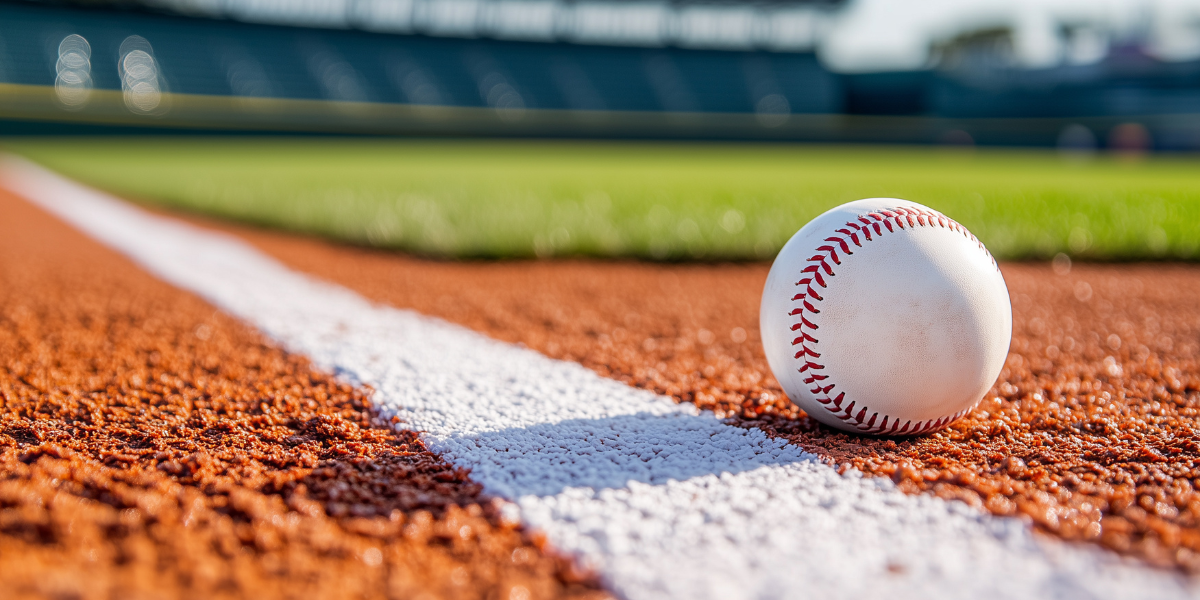
While basketball dominates headlines, Major League Baseball is deep into its regular season, where every game contributes to long-term standings that determine postseason qualification. With 162 games forming the backbone of the schedule, consistency is often more important than short-term streaks.
Teams across both leagues are beginning to separate into tiers, with early contenders emerging based on pitching depth, bullpen reliability, and offensive consistency. Traditional powerhouse franchises continue to compete for divisional leadership, while several mid-market teams are attempting to sustain unexpected early-season success.
At this stage of the season, front offices are also evaluating roster needs ahead of potential trade deadline decisions. Injuries, player development, and statistical trends all play a role in shaping strategies for the months ahead. For fans, this portion of the baseball calendar offers both daily entertainment and long-term narrative building, as standings slowly begin to take shape.
NHL playoffs deliver physical and unpredictable competition
In hockey, the NHL postseason continues to showcase the sport’s trademark unpredictability and physical intensity. Playoff hockey is widely regarded as one of the most demanding formats in professional sports, with series often decided by narrow margins, overtime performances, and elite goaltending.
As teams progress through the conference stages, defensive discipline becomes increasingly important. Players routinely log heavy minutes, and special teams—particularly power-play efficiency—can determine the outcome of tightly contested matchups. Momentum shifts are common, and even dominant regular-season teams are not guaranteed success in the postseason.
Fan engagement in NHL markets remains especially strong during this time, with arenas creating high-energy environments that amplify the physical nature of the game. Each series becomes a test of endurance as much as skill, with coaching adjustments and lineup changes often influencing the trajectory of matchups.
Cross-league momentum shapes national sports conversation
One of the defining features of the current sports environment is the overlap between major leagues. Unlike previous eras where seasons were more segmented, modern scheduling ensures that NBA playoffs, MLB regular-season games, and NHL postseason action frequently occur simultaneously.
This convergence increases media coverage and fan engagement, as audiences shift between sports throughout the week. Networks and digital platforms adjust programming to accommodate high-profile matchups, while sports commentary expands to include cross-league comparisons and broader analysis of athlete performance under pressure.
The rise of digital streaming and social media has also intensified real-time engagement. Highlights, player reactions, and game-defining moments circulate rapidly, allowing fans to follow multiple leagues at once without missing key developments.
Key themes emerging across U.S. sports
Several broader trends define the current moment in American professional sports:
- Rising competitive parity
Across leagues, more teams remain in contention deeper into the season, reflecting improved roster balance and smarter front-office decision-making. - Emphasis on star performance under pressure
Playoff environments continue to highlight the importance of elite athletes who can consistently perform in high-pressure situations. - Strategic evolution of play styles
Basketball continues to emphasize spacing and perimeter shooting, baseball prioritizes pitching depth and analytics, and hockey remains rooted in defensive structure and physical endurance. - Expanding media integration
Sports consumption is increasingly multi-platform, with fans engaging through television, streaming services, and social media simultaneously.
Outlook for the coming weeks
As the postseason battles continue in basketball and hockey while baseball progresses through its long regular season, the next several weeks are expected to further clarify championship contenders across leagues. Momentum gained during this period often carries significant weight into later stages, shaping not only current outcomes but also offseason narratives and future roster decisions.
The continued overlap of major sports ensures that American audiences remain immersed in constant competition, with no shortage of storylines developing across arenas, stadiums, and ice rinks nationwide.
