


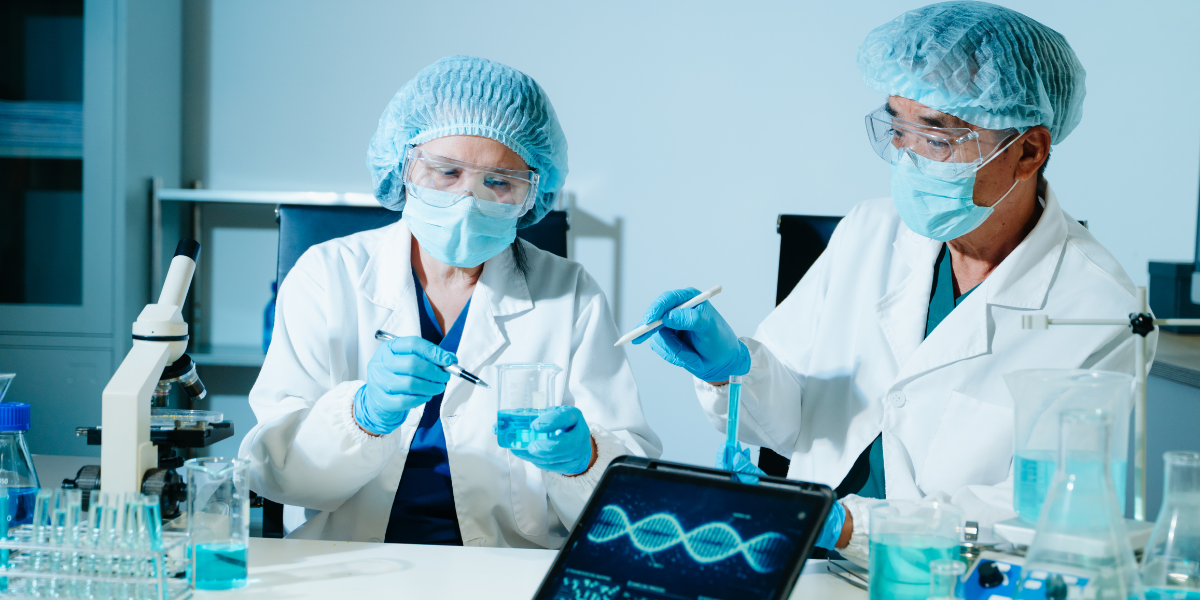
Medical researchers around the world continue expanding precision medicine initiatives as advances in genomics, biotechnology, and data science improve the ability to understand individual differences in health and disease. Scientists say ongoing research is helping healthcare providers better understand how genetics, lifestyle, and environmental factors interact, contributing to more personalized approaches to prevention, diagnosis, and treatment.
Research institutions, hospitals, universities, and biotechnology companies continue collaborating on studies involving genomic sequencing, molecular biology, bioinformatics, and clinical research. These efforts are strengthening scientific understanding while supporting future medical innovation across a wide range of health conditions.
Health experts emphasize that precision medicine complements traditional healthcare by providing additional tools that may improve clinical decision-making.
Genomic Research Continues Expanding
Scientists continue studying genetic variations that influence health outcomes and responses to medical treatments.
Large-scale research programs are improving understanding of inherited traits while identifying biological pathways associated with numerous medical conditions.
Researchers say genomic information provides valuable scientific insight that supports ongoing medical discovery and future clinical research.
Continued collaboration among research institutions remains essential to advancing this rapidly evolving field.
Artificial Intelligence Accelerates Medical Analysis
Artificial intelligence is increasingly assisting researchers in organizing and analyzing large biomedical datasets.
Machine learning systems help identify patterns within genetic information, laboratory results, medical imaging, and clinical research that would otherwise require significant manual analysis.
Scientists emphasize that AI supports research efficiency while remaining subject to expert review and clinical validation.
Advanced computing continues accelerating biomedical discovery.
International Collaboration Strengthens Research
Medical science continues benefiting from partnerships among universities, healthcare organizations, pharmaceutical researchers, and public health institutions around the world.
Shared databases, collaborative clinical studies, and coordinated scientific initiatives allow researchers to build upon one another’s findings while maintaining rigorous scientific standards.
International cooperation remains one of the defining strengths of modern biomedical research.
Collaborative science continues supporting faster progress across multiple medical disciplines.
Education Supports Future Healthcare Innovation
Universities continue expanding programs involving genetics, biotechnology, biomedical engineering, computational biology, and clinical research.
Students gain experience through laboratory work, interdisciplinary research projects, and collaboration with healthcare professionals.
Educators believe preparing future scientists remains essential as medical research becomes increasingly dependent on advanced technology and international collaboration.
Investment in scientific education continues strengthening long-term research capacity.
Looking Ahead
Researchers expect continued advances in genomics, artificial intelligence, and biotechnology to further strengthen precision medicine over the coming years.
Responsible scientific collaboration, ethical research practices, and ongoing investment in education will remain central to future progress.
As precision medicine continues evolving, international research efforts are helping expand scientific knowledge while laying the foundation for future innovations that support better health outcomes worldwide.
