


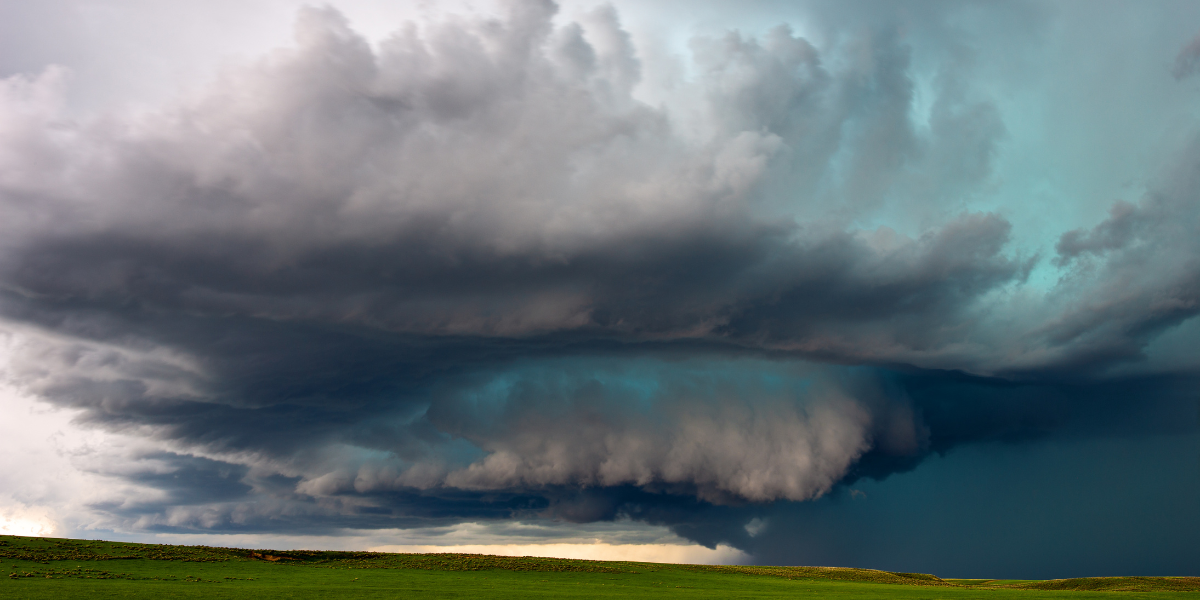
A powerful and expansive weather system has brought widespread severe conditions to the United States on Monday, March 16, 2026, affecting tens of millions of residents from the Upper Midwest to the Mid‑Atlantic. The storm complex has combined blizzard conditions, heavy snowfall, high winds, and an elevated threat of severe thunderstorms and tornadoes, making it one of the most disruptive mid‑March weather events in recent years.
Meteorologists describe it as a triple‑threat weather event, where winter storm conditions in the central and northern states coincide with severe thunderstorm and tornado threats farther south and east. The system is producing dangerous travel conditions, airport disruptions, and widespread warnings from the National Weather Service and related agencies.
Blizzard Conditions in the Upper Midwest and Northern Plains
In the Upper Midwest and northern Plains, heavy snowfall and high winds have led to blizzard warnings and emergency conditions. Regions including Minnesota, Wisconsin, and Michigan’s Upper Peninsula have seen significant snow accumulations and whiteout conditions. Some areas in Wisconsin have reported nearly 20 inches of snow, prompting state officials to issue blizzard emergencies.
Strong gusts coupled with heavy snow have made many roads impassable. In southern Minnesota, authorities have advised against travel due to hazardous conditions caused by snow drifting and limited visibility.
The National Weather Service has also issued winter storm warnings across multiple states, with power outages reported as strong winds down lines across the region.
Severe Thunderstorm and Tornado Threat in the South and East
While parts of the country battle heavy snow and winds, the Storm Prediction Center has outlined a Moderate Risk (Category 4 of 5) for severe thunderstorms from the Mid‑Atlantic into parts of the Carolinas and Virginia. Forecasts cite the possibility of damaging wind gusts, large hail, and a few tornadoes developing during the afternoon and evening hours.
This risk indicates an elevated likelihood of widespread severe weather, a significant category level that warrants heightened awareness. Local weather offices in areas like Virginia, Maryland, and North Carolina are actively monitoring conditions and issuing localized warnings as the daytime heating and atmospheric instability persist.
Travel Disruptions and Safety Concerns
The storm has already disrupted air travel across major hubs. Thousands of flight cancellations and delays have been reported, particularly at Minneapolis‑Saint Paul International Airport and Chicago’s O’Hare, as crews contend with snow, wind, and poor visibility.
Rising travel threats have also impacted roadway safety and school schedules. Minneapolis and St. Paul school systems declared severe weather days following the weekend snowfall, with some institutions shifting to remote learning.
Officials urge travelers to plan ahead and reconsider non‑essential travel, as ongoing snowfall and wind gusts are expected to sustain hazardous conditions into late Monday.
Weather Science Behind the Event
The complex system moving through the United States originated across the Pacific Northwest and Western states earlier in the week before intensifying across the central and eastern portions of the country. This storm, sometimes referred to as a bomb cyclone due to rapid intensification, is driven by contrasting air masses. Arctic air from the north is colliding with warmer, moisture‑laden air from the Gulf of Mexico, creating a wide spectrum of weather hazards.
This contrast is responsible for the winter storm impacts in the north and the severe thunderstorm risk in the south and east, illustrating how regional weather extremes can be connected through large‑scale atmospheric dynamics.
Broader Context and Climate Considerations
While single weather events are not directly attributed to long‑term climatic trends, experts acknowledge that the frequency and intensity of extreme weather patterns, including heavy snowfall, intense thunderstorms, and rapid temperature swings, can be influenced by broader climate variability and warming trends. Such conditions amplify the energy in the atmosphere and can make storm systems more dynamic and disruptive.
Key Takeaways for the Public
- Safety First: Residents in affected regions should follow advisories and warnings from local authorities and the National Weather Service.
- Travel Plans: Check with airlines and road authorities before traveling, as cancellations and hazardous conditions are widespread.
- Preparedness: Stock essential supplies, prepare for power outages, and adjust plans to minimize exposure to severe weather.
- Regional Differences: Understand that conditions vary significantly across the country, what might be a snowstorm in one state could be severe thunderstorms just a few hundred miles away.
As the storm system continues to evolve throughout the day, updates from official weather services will be critical to ensuring public safety and awareness. Monitoring forecasts and heeding local guidance remain paramount for those in the storm’s path.
