

Severe Tornado Outbreak Leaves Destruction Across U.S. Southern Plains
 A to Z Times Contributor—APRIL 26, 2026·4 MINS READ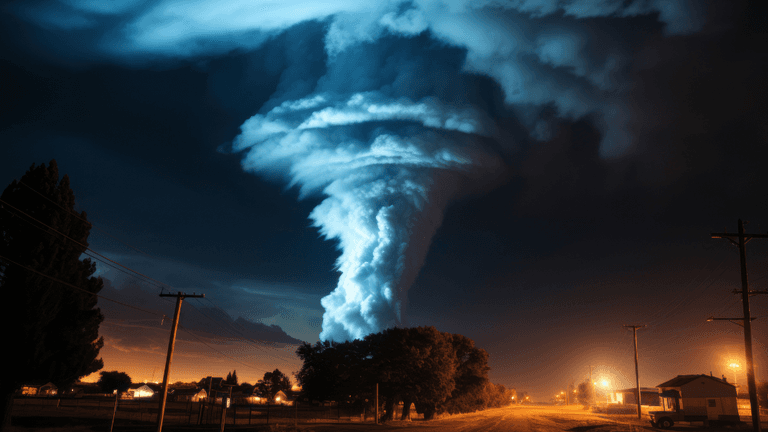
A powerful late-April severe weather system continues to impact parts of the central and southern United States, as a multi-day tornado outbreak has caused significant damage, injuries, and widespread disruption across Oklahoma and Texas. The system, which developed earlier in the week, has produced multiple high-intensity tornadoes, making it one of the most consequential weather events of the 2026 spring season.
Preliminary assessments from meteorologists and emergency management officials indicate that dozens of tornadoes were reported over several days. Among them was at least one violent EF4 tornado that caused catastrophic damage in northern Oklahoma. In addition to tornadoes, the storm system brought destructive straight-line winds, large hail, and localized flooding, placing considerable strain on emergency response operations across multiple states.
Widespread Damage Across Communities
Northern Oklahoma experienced some of the most severe impacts. Communities near Enid were hit particularly hard when a powerful tornado carved a path through residential areas, leveling homes, damaging schools and businesses, and disrupting critical infrastructure. Entire neighborhoods were left unrecognizable, with debris scattered across roads and open land. Emergency officials reported that many families were forced to evacuate or seek temporary shelter as their homes became uninhabitable.
Infrastructure damage extended beyond residential areas. Portions of nearby facilities, including those associated with aviation training operations, sustained damage, leading to temporary closures and operational disruptions. Utility poles were snapped, and power lines were downed across wide areas, leaving thousands without electricity.
In Texas, additional tornado activity was reported in several counties north of the Dallas–Fort Worth metro area. Smaller communities bore the brunt of the storms, with homes damaged or destroyed by high winds and flying debris. Local officials confirmed casualties and multiple injuries, while first responders worked continuously to assist those affected. Roads were blocked by fallen trees and debris, complicating rescue and recovery efforts.
Emergency Response and Relief Efforts
Emergency response teams have been working around the clock to address the aftermath of the storms. Search-and-rescue operations were quickly launched in the hardest-hit areas, with first responders conducting thorough checks of damaged structures to locate survivors. Medical teams were deployed to provide immediate care to the injured, while emergency shelters were established to house displaced residents.
State and local authorities coordinated closely to manage resources and ensure that aid reached affected communities efficiently. Temporary shelters were set up in schools, churches, and community centers, offering food, water, and basic necessities to those in need. Volunteer organizations and relief groups also played a critical role, assisting with distribution efforts and providing emotional support to impacted families.
Power restoration efforts remain ongoing, with utility crews working to repair damaged infrastructure. In some areas, the extent of destruction has made restoration efforts more complex, requiring heavy equipment and extended timelines. Officials have advised residents to remain cautious around downed power lines and unstable structures.
Meteorological Factors Behind the Outbreak
Meteorologists attribute the severity of the outbreak to a volatile atmospheric setup typical of springtime in the central United States. Warm, moisture-rich air from the Gulf of Mexico collided with a strong cold front moving eastward from the Rocky Mountains, creating conditions favorable for the development of supercell thunderstorms. These rotating storms are capable of producing long-track, high-intensity tornadoes.
Weather monitoring agencies had issued advanced warnings in the days leading up to the outbreak, highlighting the potential for significant tornado activity. These alerts allowed many residents to take precautionary measures, including seeking shelter and preparing emergency supplies. Officials noted that early warnings and rapid communication likely helped reduce the overall number of casualties.
Implications for Preparedness and Resilience
The tornado outbreak underscores the importance of preparedness in regions prone to severe weather. Emergency management experts emphasize the need for accessible storm shelters, reliable communication systems, and public awareness of safety protocols during tornado events. Rural areas, in particular, face unique challenges due to limited infrastructure and longer emergency response times.
In the aftermath of the storms, authorities are expected to conduct detailed damage assessments and evaluate response strategies. These reviews will help identify areas for improvement in disaster readiness and infrastructure resilience, with the goal of minimizing the impact of future events.
Looking Ahead
Although the primary storm system is gradually moving eastward and weakening, meteorologists warn that unstable atmospheric conditions may persist in parts of the Midwest and southern United States in the coming days. Additional severe weather remains possible, and residents are encouraged to stay informed through official weather updates.
As recovery efforts continue, affected communities are beginning the long process of rebuilding. The resilience of residents and the coordinated efforts of emergency responders highlight the importance of preparedness and community support in the face of natural disasters.

A to Z Times Contributor
This article features partner, contributor, or branded content from a third party. Members of the A to Z Times editorial staff were not involved in the creation of this content. All views and opinions are those of the contributor alone.