

Spring Wellness Trends Rise Across the U.S. as Americans Embrace Outdoor Living
 A to Z Times Contributor—APRIL 25, 2026·4 MINS READ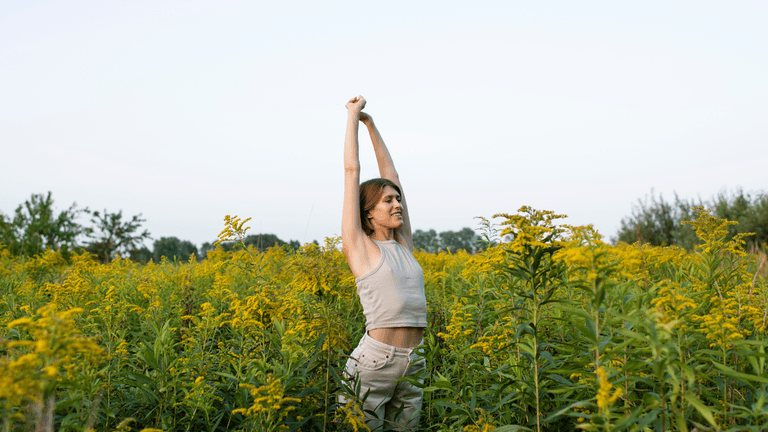
A growing number of Americans are embracing seasonal lifestyle changes centered on wellness, outdoor activity, and mental health. As spring reaches full bloom across much of the country, individuals and communities are taking advantage of warmer temperatures and longer daylight hours to reset routines and prioritize overall well-being.
This seasonal transition has increasingly become more than just a change in weather, it is now widely viewed as an opportunity for lifestyle improvement. Health experts often associate spring with renewed motivation, as increased sunlight and time spent outdoors can positively influence mood and energy levels. As a result, many people are making conscious efforts to build healthier habits that extend beyond the season.
One of the most noticeable developments is the surge in outdoor fitness activities. Public parks, walking trails, and open spaces have seen a rise in visitors engaging in physical exercise such as jogging, cycling, and group workouts. Outdoor yoga sessions and community fitness classes are also gaining popularity, offering individuals a way to stay active while enjoying fresh air. These activities not only support physical health but also encourage social interaction, which contributes to emotional well-being.
Alongside physical fitness, mental health awareness has become a key aspect of this lifestyle shift. Many individuals are incorporating mindful practices into their daily routines, such as meditation, journaling, or simply spending quiet time in nature. The act of stepping away from screens and reconnecting with the environment is increasingly recognized as beneficial in reducing stress and improving focus. Organizations like the American Psychological Association have long emphasized the importance of balancing digital engagement with real-world experiences.
Another growing trend is the concept of a “spring reset,” where individuals take time to declutter and reorganize their living spaces. This practice often includes cleaning, donating unused items, and redesigning home environments to create a sense of calm and order. Many people report that a more organized space leads to improved productivity and reduced anxiety, reinforcing the connection between physical surroundings and mental clarity.
Dietary habits are also evolving during this period. With the arrival of fresh, seasonal produce, individuals are more inclined to incorporate fruits and vegetables into their meals. Farmers’ markets and local food vendors are becoming more active, providing access to fresh and often locally sourced ingredients. This shift supports healthier eating patterns while also encouraging more sustainable consumption practices.
Fashion trends are reflecting these lifestyle changes as well. Comfortable, versatile clothing designed for both activity and relaxation continues to gain popularity. The rise of athleisure wear highlights a preference for practicality without sacrificing style, allowing individuals to move seamlessly between exercise, errands, and social activities. Lightweight fabrics and breathable materials are particularly in demand as temperatures begin to rise.
Social engagement is another important component of the spring lifestyle movement. Outdoor gatherings, including picnics, small group activities, and neighborhood events, are becoming more common. These interactions help strengthen community connections and provide opportunities for people to reconnect after spending more time indoors during colder months. The emphasis on shared experiences adds a meaningful social dimension to the broader wellness trend.
Technology is also playing a supportive role in promoting healthier habits. Fitness tracking applications and wearable devices are helping individuals monitor activity levels, set goals, and maintain consistency. While technology can sometimes contribute to sedentary behavior, its integration into wellness routines demonstrates how it can be used positively to encourage movement and accountability.
Despite the enthusiasm surrounding these trends, experts emphasize the importance of sustainability in lifestyle changes. Rather than adopting extreme routines, individuals are encouraged to make gradual adjustments that can be maintained over time. Small, consistent actions, such as taking daily walks, improving diet, or setting aside time for relaxation, are more likely to lead to lasting benefits.
The significance of these developments lies in their holistic approach to health. By addressing physical fitness, mental well-being, and social connection, Americans are redefining what it means to live a balanced lifestyle. This shift reflects a broader cultural awareness of the importance of self-care and overall quality of life.
In conclusion, the lifestyle trends highlighted here illustrate a growing commitment to wellness and outdoor living across the United States. As spring continues, these habits are expected to evolve into long-term routines, shaping how individuals approach health, productivity, and daily life.

A to Z Times Contributor
This article features partner, contributor, or branded content from a third party. Members of the A to Z Times editorial staff were not involved in the creation of this content. All views and opinions are those of the contributor alone.