
Apple Enters New Leadership Era as John Ternus Succeeds Tim Cook
 A to Z Times Contributor—SEPTEMBER 1, 2026·3 MINS READ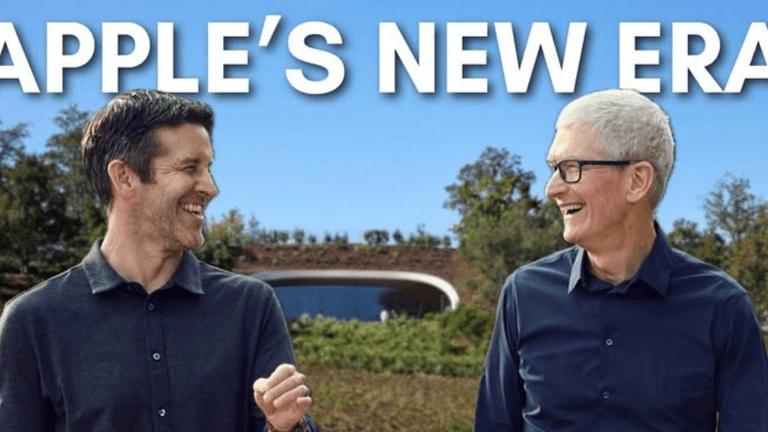
Apple has officially entered a new leadership era as John Ternus takes over as chief executive officer from Tim Cook, ending Cook's 15-year period as the company's CEO.
The transition was announced months in advance and was approved unanimously by Apple's board. Ternus, previously Apple's senior vice president of Hardware Engineering, becomes CEO while Cook moves into the role of executive chairman.
The change is one of the most closely watched leadership transitions in the technology industry because Apple remains one of the world's most influential consumer-electronics and software companies.
From Hardware Executive to CEO
Ternus brings a strong engineering background to the position.
As head of Hardware Engineering, he worked on Apple's product development organization and was involved in the company's hardware strategy.
That experience provides continuity for a company whose competitive position remains closely tied to products such as the iPhone, Mac, iPad and Apple Watch.
His new role, however, requires a much broader range of responsibilities.
The CEO oversees not only product development but also services, retail operations, supply chains, software platforms, corporate strategy and relationships with governments and business partners.
Cook Remains Involved
Cook's transition does not represent a complete departure from Apple.
As executive chairman, he will continue supporting selected company activities.
Apple said his responsibilities will include certain external engagements, including communication with policymakers.
The arrangement provides Apple with continuity while allowing Ternus to assume operational control.
It also gives the incoming CEO an opportunity to establish his own leadership approach without requiring the company to sever its relationship with a longtime chief executive.
Artificial Intelligence Adds New Pressure
Ternus takes over at a time when artificial intelligence is reshaping the technology industry.
Competitors are investing heavily in AI models, data centers, software assistants and AI-enabled consumer products.
Apple has been developing its own AI strategy, with an emphasis on integrating intelligence into its devices and software ecosystem.
The company's enormous installed base gives it an important potential advantage because new features can reach millions of users through existing products.
At the same time, customers increasingly expect technology companies to demonstrate meaningful progress in AI.
A Major Product Cycle Is Approaching
The timing of the transition is particularly significant because Apple's next major product event is scheduled for September 9.
The event will be the first major iPhone presentation under Ternus's leadership.
That gives the new CEO an immediate opportunity to communicate priorities around Apple's product strategy.
The company's hardware business remains central to its revenue and customer ecosystem, making product launches important indicators of its broader direction.
A Different Kind of Leadership Challenge
Ternus inherits a company with enormous resources and a highly established global brand.
That creates advantages but also raises expectations.
Apple's leadership must balance continued investment in new technologies with the need to protect existing products and services.
The company also faces competition across smartphones, computers, software, cloud services and AI.
A successful strategy therefore requires decisions about where Apple should compete directly and where it should rely on partnerships or existing ecosystem strengths.
Why the Change Matters
Leadership transitions at major technology companies can influence product priorities, corporate culture and long-term investment.
Apple's decision to promote an executive with deep hardware experience suggests continuity in an area that has historically been central to the company's identity.
But the growing importance of AI means the new CEO will also be expected to navigate a rapidly changing software and technology environment.
For consumers, the leadership transition may initially produce few visible changes.
For the technology industry, however, it begins a new period for one of its most influential companies.
Cook's tenure becomes part of Apple's history, while Ternus assumes responsibility for guiding the company through the next generation of hardware, software and artificial intelligence.
The transition therefore represents both continuity and change: the leadership structure is shifting, but the company's core challenge remains the same—maintaining innovation while adapting to a technology industry that is evolving rapidly.

A to Z Times Contributor
This article features partner, contributor, or branded content from a third party. Members of the A to Z Times editorial staff were not involved in the creation of this content. All views and opinions are those of the contributor alone.