
Bank of England Raises Interest Rate to 4% as Energy Costs Push Inflation Higher
 A to Z Times Contributor—NOVEMBER 6, 2026·5 MINS READ
The central bank increases Bank Rate by 0.25 percentage points, citing persistent energy-price pressures and an expected rise in inflation.
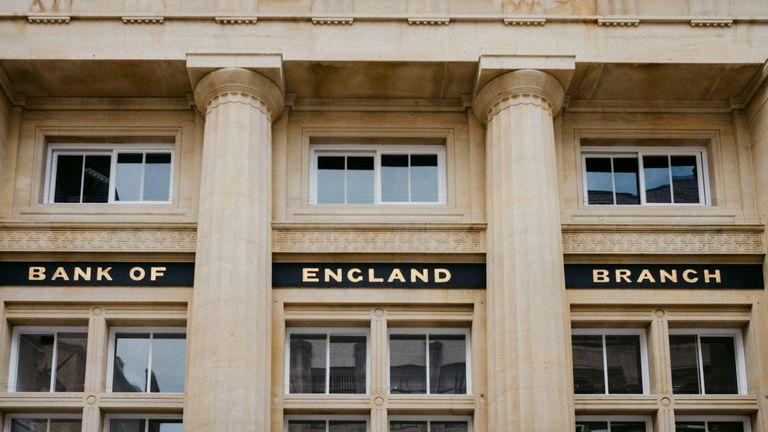
The Bank of England has raised its key interest rate to 4%, increasing borrowing costs as higher energy prices continue to put pressure on the United Kingdom's inflation outlook. The Monetary Policy Committee voted by a majority of eight to one to increase Bank Rate by 0.25 percentage points following its meeting, with one member supporting a larger increase to 4.25%.
The decision, published on November 5, reflects concern that rising global energy prices could feed into household bills, business expenses, and wider consumer prices. The central bank said UK consumer price inflation reached 3.5% in September and is now expected to rise to approximately 5% by the middle of 2027 before easing as the effects of higher energy costs begin to fade.
The move presents a challenge for households, businesses, lenders, and investors as policymakers attempt to contain inflation without unnecessarily weakening economic activity.
Energy Prices Shape the Inflation Outlook
The Bank of England identified higher global energy prices as a major factor behind the revised inflation outlook. The conflict in the Middle East has continued to affect energy markets and transportation, contributing to elevated costs for fuel and other energy supplies.
Energy prices influence inflation through several channels. Households may face higher costs for heating, electricity, and transportation, while businesses can experience increased expenses for production, logistics, and distribution. Companies facing sustained cost increases may eventually pass some of those expenses on to customers.
The central bank noted that the direct effects of higher energy prices were already evident, although there was still limited evidence of widespread secondary increases in other prices and wages. Nevertheless, policymakers judged that the inflationary pressure moving through the economy was significant enough to justify an increase in the policy rate.
The bank expects inflation to rise further before declining. Its projection of approximately 5% by mid-2027 represents a substantial increase from the government's 2% inflation target.
What the Rate Increase Means for Borrowers
Bank Rate influences the cost of borrowing across the economy. Although commercial lenders set their own interest rates, the central bank's policy decision can affect mortgage pricing, personal loans, credit products, and business financing.
For households with variable-rate mortgages or loans linked to changes in the central bank's rate, an increase can lead to higher monthly payments. The impact depends on the terms of each financial agreement and whether lenders adjust their rates following the policy decision.
People approaching the end of fixed-rate mortgage agreements may also need to consider the possibility of refinancing at a different borrowing cost. Higher rates can affect how much prospective homebuyers are able to borrow, potentially reducing their purchasing power or changing the type of property they can afford.
Businesses face similar considerations. Companies relying on loans to finance equipment, expansion, inventory, or property may need to reassess investment plans when borrowing costs rise. Smaller firms with limited cash reserves can be particularly sensitive to changes in financing expenses.
Implications for Business Investment
Interest rates influence the cost of capital and can affect decisions about hiring, expansion, technology investment, and new projects. When borrowing becomes more expensive, businesses may delay investments that are not considered essential or reduce spending until economic conditions become more predictable.
Companies also face pressure from higher energy costs. Manufacturers, transportation providers, retailers, and hospitality businesses may experience increased expenses through electricity, fuel, heating, and distribution.
The combination of higher operating costs and more expensive financing can create difficult decisions for business leaders. Companies may seek efficiency improvements, negotiate supplier contracts, adjust pricing, or reconsider planned capital expenditure.
However, the effect will differ across industries. Businesses with stronger cash positions or the ability to pass on higher costs may be better positioned to absorb the pressure than companies operating with narrow margins.
Inflation and Household Spending
For consumers, the rate increase comes amid concerns about the cost of essential goods and services. Higher energy prices can affect household budgets directly through utility and transportation bills. They can also influence the prices of goods that require energy-intensive production or long-distance transportation.
When households devote more income to essential expenses, less may remain for discretionary purchases such as entertainment, travel, dining, and nonessential retail products. This can affect businesses that depend on consumer spending.
Higher interest rates may also encourage some households to save rather than spend, particularly when deposit rates improve. While this can help individuals build financial reserves, a broad reduction in consumption can affect economic growth.
The central bank's challenge is to prevent rising energy costs from becoming embedded in wider price and wage-setting behavior. If inflation expectations increase, businesses and workers may begin adjusting prices and pay in ways that prolong inflation even after the original energy shock eases.
Why Policymakers Voted Differently
The committee's eight-to-one decision indicates broad support for increasing the rate, although one member preferred a larger adjustment. The differing vote reflects the uncertainty surrounding the scale and persistence of inflationary pressures.
Monetary policymakers must assess whether rising prices are likely to be temporary or whether they could spread through the wider economy. A rate increase can help restrain demand and limit the ability of businesses to raise prices, but it also increases borrowing costs for households and companies.
The central bank must therefore balance the risks of allowing inflation to remain elevated against the possibility that tighter monetary conditions could weaken economic activity more than necessary.
Businesses and Markets Await the Next Decision
The November decision places the Bank of England's policy rate at 4%, with the next scheduled decision due on December 17. Financial markets, businesses, and households will be monitoring inflation data, energy prices, wage developments, and economic activity for indications of the next policy direction.
The central bank's projections suggest that inflation could rise before beginning to ease. That outlook means the economic effects of energy prices will remain important in the months ahead.
For the UK business environment, the increase reinforces the need to manage financing costs and operating expenses carefully. For households, it highlights the continuing influence of global energy markets on domestic borrowing conditions and everyday budgets.
The decision demonstrates the difficult position facing monetary policymakers: controlling inflation while limiting the disruption that higher interest rates can create for consumers and businesses.

A to Z Times Contributor
This article features partner, contributor, or branded content from a third party. Members of the A to Z Times editorial staff were not involved in the creation of this content. All views and opinions are those of the contributor alone.