

Senate Moves Forward With Energy Permitting Reform as Data Center Demand Pressures U.S. Infrastructure
 A to Z Times Contributor—NOVEMBER 9, 2026·4 MINS READ
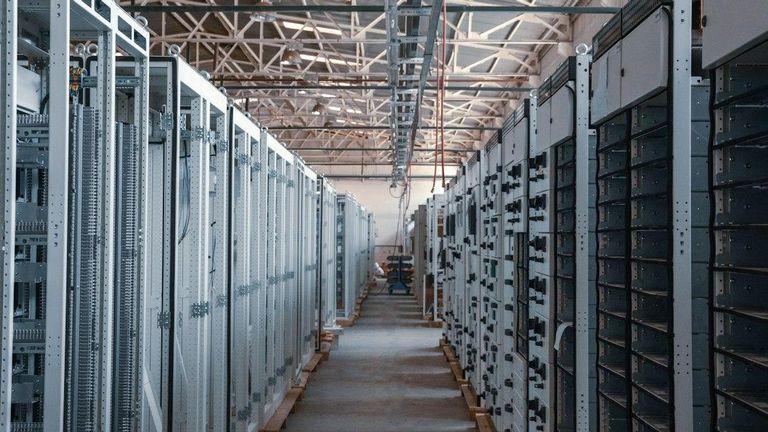
Bipartisan legislation advances in the Senate as electricity demand increases across technology and infrastructure industries.
The U.S. Senate advanced bipartisan legislation designed to accelerate federal permitting reviews for energy projects, data centers and other infrastructure developments, bringing renewed attention to the relationship between technological growth and the country's electricity capacity.
The measure received 73 votes in favor and 25 against, allowing the Senate to formally consider legislation intended to address delays affecting major infrastructure projects.
The development is particularly significant for the technology industry, where expanding data center operations are increasing demand for dependable electricity and supporting power infrastructure.
Although the vote does not represent final passage, it establishes an important stage in a legislative effort that could influence how energy and technology projects are reviewed and developed.
Technology Growth Is Increasing Electricity Requirements
Digital infrastructure has become an essential part of the modern economy.
Cloud computing, artificial intelligence, online services and large-scale data processing depend on facilities capable of operating continuously and handling substantial volumes of information.
These facilities require more than servers and networking equipment. They also depend on reliable electricity supplies, cooling systems, transmission connections and backup infrastructure.
As companies expand their digital operations, developers increasingly need to coordinate data center construction with electricity providers and infrastructure authorities.
In some regions, the availability of suitable land is not the only factor determining whether a project can proceed. Access to sufficient electricity can become an equally important consideration.
This has made energy infrastructure planning a central issue for technology companies seeking to establish or expand large computing facilities.
Why Permitting Has Become an Industry Concern
Large infrastructure developments often require multiple government approvals.
Depending on the project, developers may need environmental reviews, construction authorizations, transmission approvals and coordination with several government agencies.
When reviews involve different departments and overlapping procedures, project timelines can become difficult to predict.
For companies making substantial investments, uncertainty surrounding approval schedules can affect construction planning, financing and decisions about where to locate facilities.
The legislation advanced by the Senate seeks to streamline parts of the federal permitting process.
Supporters argue that clearer procedures and more efficient reviews could help energy developers and infrastructure companies move projects forward without unnecessary administrative delays.
The objective is particularly relevant to data center developers because electricity connections and supporting infrastructure must be available before facilities can operate at full capacity.
Energy Infrastructure and the Technology Economy
The connection between electricity supply and technological development has become increasingly important.
Data centers support a broad range of economic activities, including digital communications, financial transactions, enterprise software and artificial intelligence applications.
Their continued expansion creates additional requirements for electricity generation and transmission.
Utilities and infrastructure planners must consider where demand is increasing, whether existing networks can accommodate new facilities and what additional investment may be necessary.
New generation projects, transmission lines and substations can require extensive planning and construction.
Permitting reform is therefore being considered as one potential component of a broader infrastructure response.
However, faster government reviews cannot independently guarantee that sufficient electricity will be available. Construction costs, equipment availability, financing, fuel supplies and grid capacity remain important factors.
Environmental and Community Considerations
The legislation has also generated debate over how permitting efficiency should be balanced with environmental protection.
Supporters argue that existing procedures can be improved without eliminating important safeguards.
Environmental organizations and several lawmakers, however, have expressed concerns about changes that could reduce opportunities for public participation or weaken oversight of infrastructure developments.
Questions have also been raised regarding wildlife protections, environmental assessments and the rights of communities affected by large projects.
The proposal includes provisions addressing tribal consultation and state participation, but disagreements remain over whether these measures adequately protect affected communities.
These concerns are relevant to technology infrastructure because data centers can influence local electricity demand, land use and supporting utility development.
Implications for Technology Companies
For technology companies, the legislative debate highlights how physical infrastructure can shape the pace of digital innovation.
Companies developing artificial intelligence platforms and cloud services must account for electricity availability when planning future capacity.
Delays in infrastructure development can affect when facilities become operational and how quickly companies can expand services.
The issue also affects electricity providers, engineering companies, construction firms and equipment manufacturers involved in supporting large-scale projects.
A more predictable permitting environment could improve planning, but the practical effects would depend on the final legislation and how government agencies implement any new requirements.
What Happens Next
The Senate's 73-25 vote advances the proposal for further consideration but does not make the proposed reforms effective.
Additional legislative action and agreement on the final language remain necessary before the measure can become law.
The development nevertheless highlights a growing challenge for the American technology economy.
Digital services continue to depend on physical systems that require investment, construction and regulatory approval.
As data center demand increases, electricity infrastructure is becoming an increasingly important part of technology planning.
The Senate debate reflects the need to coordinate technological expansion with reliable power supplies, efficient infrastructure development and responsible environmental oversight. The eventual outcome could influence how quickly major energy and digital infrastructure projects move from planning to construction.

A to Z Times Contributor
This article features partner, contributor, or branded content from a third party. Members of the A to Z Times editorial staff were not involved in the creation of this content. All views and opinions are those of the contributor alone.