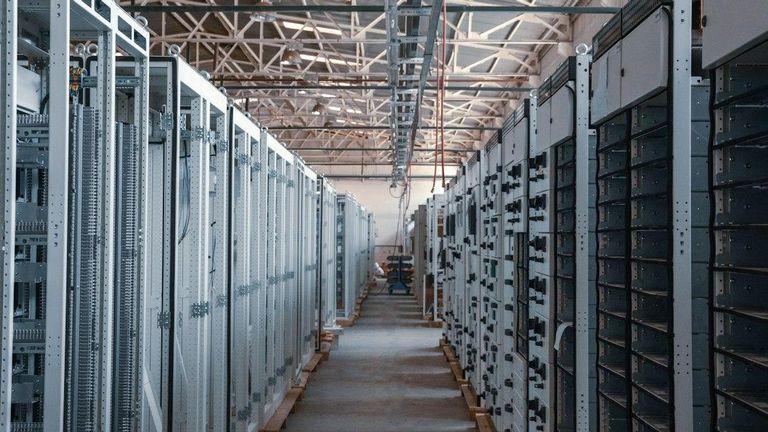

U.S. Senate Passes Major Permitting Reform Bill Targeting Energy and Infrastructure Delays
 A to Z Times Contributor—NOVEMBER 20, 2026·4 MINS READ
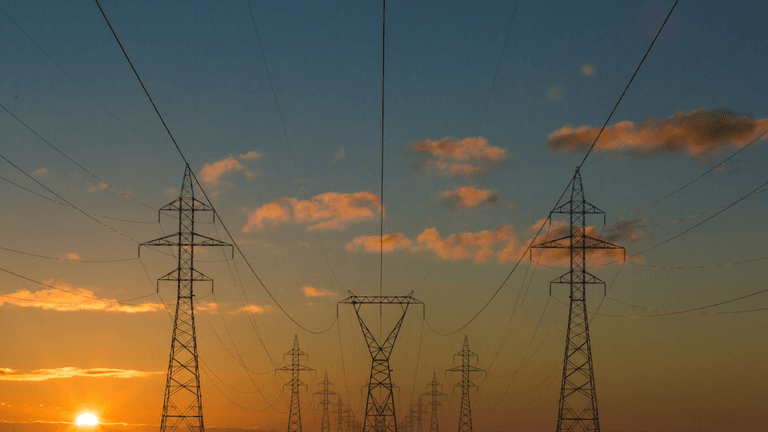
The Senate approved bipartisan legislation designed to accelerate energy and infrastructure projects and expand electricity transmission capacity.
Senate Approves Bipartisan Infrastructure Legislation
The U.S. Senate approved a major bipartisan permitting reform bill in a 62-33 vote, advancing legislation intended to streamline federal reviews for energy and infrastructure projects.
The measure, known as the Bipartisan American Affordability and Jobs Act, was approved on November 19, with the development receiving significant attention in business and economic coverage on November 20.
The legislation now moves to the House of Representatives for consideration.
The proposal addresses longstanding concerns about the time and complexity involved in obtaining federal approvals for major infrastructure projects.
Its provisions focus on energy development, electricity transmission capacity and the regulatory processes governing large-scale construction and infrastructure investments.
The vote represents an important development for industries that depend on predictable permitting timelines, including energy companies, utilities, construction businesses and infrastructure developers.
Bipartisan Support Behind the Measure
The legislation received support from lawmakers across party lines.
The final vote included 47 Republicans, 14 Democrats and independent Senator Angus King.
The broad support reflected shared concerns about the effect of lengthy approval processes on infrastructure development and energy availability.
Permitting reform has been discussed in Congress for years, particularly as electricity demand, industrial development and energy infrastructure requirements have expanded.
Businesses frequently identify project approval timelines as a significant obstacle to construction and investment.
Major energy facilities, transmission lines and other infrastructure projects can require multiple reviews involving environmental considerations, land use, safety and federal agency coordination.
The proposed legislation seeks to address aspects of that process.
Energy Infrastructure at the Center of the Proposal
One of the central objectives involves improving the development of electricity transmission infrastructure.
The expansion of electricity demand has increased pressure on existing transmission networks.
Data centers, manufacturing facilities and other energy-intensive businesses require reliable electricity supplies to support their operations.
Artificial intelligence development has also increased attention on electricity demand because large computing facilities require substantial power.
Insufficient transmission capacity can create challenges even when electricity generation is available.
New transmission infrastructure can help move electricity between regions and improve the ability of the grid to accommodate changing demand.
The legislation's focus on transmission capacity therefore has implications beyond traditional energy production.
It also connects with the expansion of digital infrastructure and the broader development of the American technology economy.
Implications for Construction and Business Investment
The permitting process affects a wide range of businesses.
Energy companies require approvals before constructing generation facilities, pipelines and transmission infrastructure.
Developers and construction contractors must coordinate regulatory reviews, financing and project schedules.
Delays can increase costs through extended planning periods, financing expenses and changes in construction budgets.
For businesses making long-term investment decisions, uncertainty about approval timelines can influence whether projects move forward.
Streamlined permitting could provide greater predictability if the legislation becomes law and its provisions are implemented effectively.
However, the actual impact would depend on the final legislative language, agency implementation and the ability to maintain applicable environmental and safety protections.
The Senate vote does not itself change all existing permitting requirements.
The measure must still advance through the House and complete the remaining legislative process before becoming law.
Electricity Demand Creates Additional Pressure
The proposal comes as electricity demand becomes a more important issue for American businesses.
Artificial intelligence infrastructure, electric transportation, industrial facilities and population growth are contributing to changing electricity requirements.
Data centers are particularly important because their operations depend on continuous access to reliable power.
Their development can require coordination between technology companies, utilities, local governments and infrastructure providers.
Expanding transmission capacity is one component of addressing these challenges.
However, additional transmission infrastructure alone cannot resolve every electricity supply issue.
Generation capacity, energy storage, grid modernization and regional planning also influence reliability and long-term costs.
Business Groups Watch the Legislative Process
The legislation attracted attention from energy and business organizations that have supported changes to federal permitting procedures.
For companies involved in infrastructure development, the Senate vote represents progress toward a more predictable approval environment.
However, businesses must continue operating under existing requirements until any legislative changes become effective.
Investors and corporate executives will also monitor the House's response and the possibility of changes to the proposal.
The legislation's bipartisan support may improve its prospects, although differences over environmental review, regulatory authority and implementation remain important considerations.
A Significant Development for the U.S. Economy
The Senate's approval of the Bipartisan American Affordability and Jobs Act represents a major step in the ongoing debate over infrastructure development.
Its focus on energy and transmission systems reflects the growing importance of reliable electricity for manufacturing, technology and economic expansion.
For businesses, the central issue is whether permitting changes can reduce unnecessary delays while maintaining appropriate oversight.
For the technology industry, the proposal is relevant because electricity infrastructure has become an increasingly important component of data center expansion and advanced computing.
The next stage will depend on House consideration and the legislative process that follows.
The vote nevertheless demonstrates growing congressional attention to the connection between infrastructure policy, energy availability and America's ability to support future business investment.

A to Z Times Contributor
This article features partner, contributor, or branded content from a third party. Members of the A to Z Times editorial staff were not involved in the creation of this content. All views and opinions are those of the contributor alone.