
European Union and Indonesia Sign Major Trade Agreement to Expand Access Across Global Markets
 A to Z Times Contributor—NOVEMBER 22, 2026·5 MINS READ
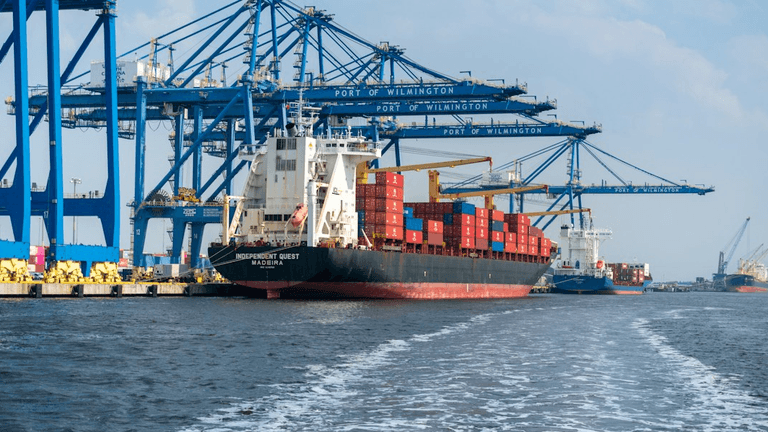
The EU and Indonesia signed landmark trade and investment agreements designed to reduce tariffs and strengthen international supply chains.
Major Trade Agreement Strengthens Economic Ties
The European Union and Indonesia signed a comprehensive trade and investment agreement, establishing a new framework intended to expand commercial opportunities between Europe and Southeast Asia.
The agreements were signed in Brussels on November 21, with the development becoming a major international business story during the November 22 news cycle.
The Comprehensive Economic Partnership Agreement and Investment Protection Agreement followed approximately a decade of negotiations.
The arrangements are designed to reduce trade barriers, improve market access and strengthen cooperation between the European Union and Indonesia, Southeast Asia's largest economy.
The European Commission described the agreement as an important part of its strategy to diversify international partnerships and strengthen access to strategic markets.
For businesses, the development could create additional opportunities in manufacturing, transportation, agricultural exports, technology and investment.
The agreement is also significant because Indonesia occupies an important position in regional supply chains involving industrial materials, electronics and energy-related products.
Tariff Reductions Cover Most Product Categories
One of the agreement's principal provisions involves reducing import duties on 98.5% of tariff lines.
The removal of these duties is expected to simplify commercial exchanges between European exporters and Indonesian buyers.
The European Commission estimates that the tariff changes could save European exporters more than €600 million annually in customs duties.
Machinery, motor vehicles, agricultural products and other industrial goods are among the sectors expected to benefit from improved market access.
The agreement also aims to simplify procedures governing international trade.
Reducing administrative obstacles can help companies manage export operations more efficiently, particularly when operating across markets with different regulatory systems.
For businesses considering expansion into Southeast Asia, the agreement could make Indonesia a more accessible destination for European products and services.
Indonesian exporters may also benefit from improved access to European customers.
The agreement covers goods and services, creating opportunities that extend beyond traditional merchandise trade.
Indonesia Gains Opportunities in European Markets
Indonesia's economy includes important manufacturing, agricultural and natural-resource industries.
The agreement provides opportunities for Indonesian exporters seeking to expand their presence in European markets.
The European Commission projects that Indonesian exports of goods and services to the European Union could increase by more than 14% over a 15-year period.
The projection reflects the potential impact of reduced trade barriers and improved commercial access.
However, the actual results will depend on implementation, business demand and the ability of exporters to meet European product and regulatory requirements.
Indonesia's access to the European market could also support investment in manufacturing and export-oriented industries.
Companies may consider developing new partnerships, expanding production capacity or establishing additional distribution arrangements to take advantage of the agreement.
Strategic Industries Become Part of the Partnership
The agreements also address investment opportunities in sectors considered important to future industrial development.
These include electric vehicles, electronics and pharmaceuticals.
The European Union has been seeking to diversify access to critical materials and strengthen supply chains supporting its industrial and energy strategies.
Indonesia has significant importance in global nickel supply, making the country relevant to industries involved in batteries and electric vehicle production.
Improved investment protections could encourage companies to consider longer-term projects in the country.
The Investment Protection Agreement is intended to establish safeguards against unjustified discrimination, expropriation and denial of justice in local courts.
It also recognizes the right of both parties to regulate activities within their territories.
For international businesses, investment protection is an important consideration when committing capital to facilities, equipment and long-term commercial operations.
Services and Intellectual Property Protection
The agreement also creates opportunities for European companies operating in selected services industries.
The European Commission identified computer services and telecommunications among the sectors where companies could gain improved access.
The arrangements also include provisions concerning intellectual property protection.
The agreement recognizes protections for trademarks, creative works and geographical indications associated with specific products.
The European Union identified 221 geographical indications for protection under the agreement.
These provisions are intended to provide greater certainty for businesses whose commercial value depends on intellectual property and product identity.
For companies operating internationally, protection of technology, brand assets and specialized products can influence investment decisions and market entry strategies.
Economic Projections Highlight Long-Term Potential
The European Commission estimates that the agreements could increase European Union gross domestic product by approximately €16 billion and Indonesia's gross domestic product by approximately €27 billion compared with projections without the agreements.
These estimates reflect expected economic effects over a 15-year period.
They are projections rather than guaranteed outcomes and depend on the successful implementation of the agreements and continued commercial activity.
The expected increase in trade could benefit businesses through improved export access, expanded investment opportunities and stronger supply-chain relationships.
However, companies will still need to evaluate transportation costs, labor conditions, regulatory requirements and market demand before entering new commercial arrangements.
Implications for Global Business
The agreement demonstrates how international trade relationships are evolving as governments seek to diversify commercial partnerships and reduce dependence on concentrated supply chains.
For European businesses, Indonesia provides access to a large and developing consumer and industrial market.
For Indonesian companies, the agreement creates opportunities to expand exports and attract additional investment.
The partnership also highlights the growing importance of Southeast Asia in global manufacturing and international trade.
The next stage will involve completing the necessary approval and implementation processes before businesses can fully benefit from the new arrangements.
The November agreement represents a significant development in international commerce, establishing a framework that could influence trade, investment and industrial cooperation between Europe and Indonesia for years to come.

A to Z Times Contributor
This article features partner, contributor, or branded content from a third party. Members of the A to Z Times editorial staff were not involved in the creation of this content. All views and opinions are those of the contributor alone.